
Mobile Markets for Senior Care: Serving Older Adults Where They Live
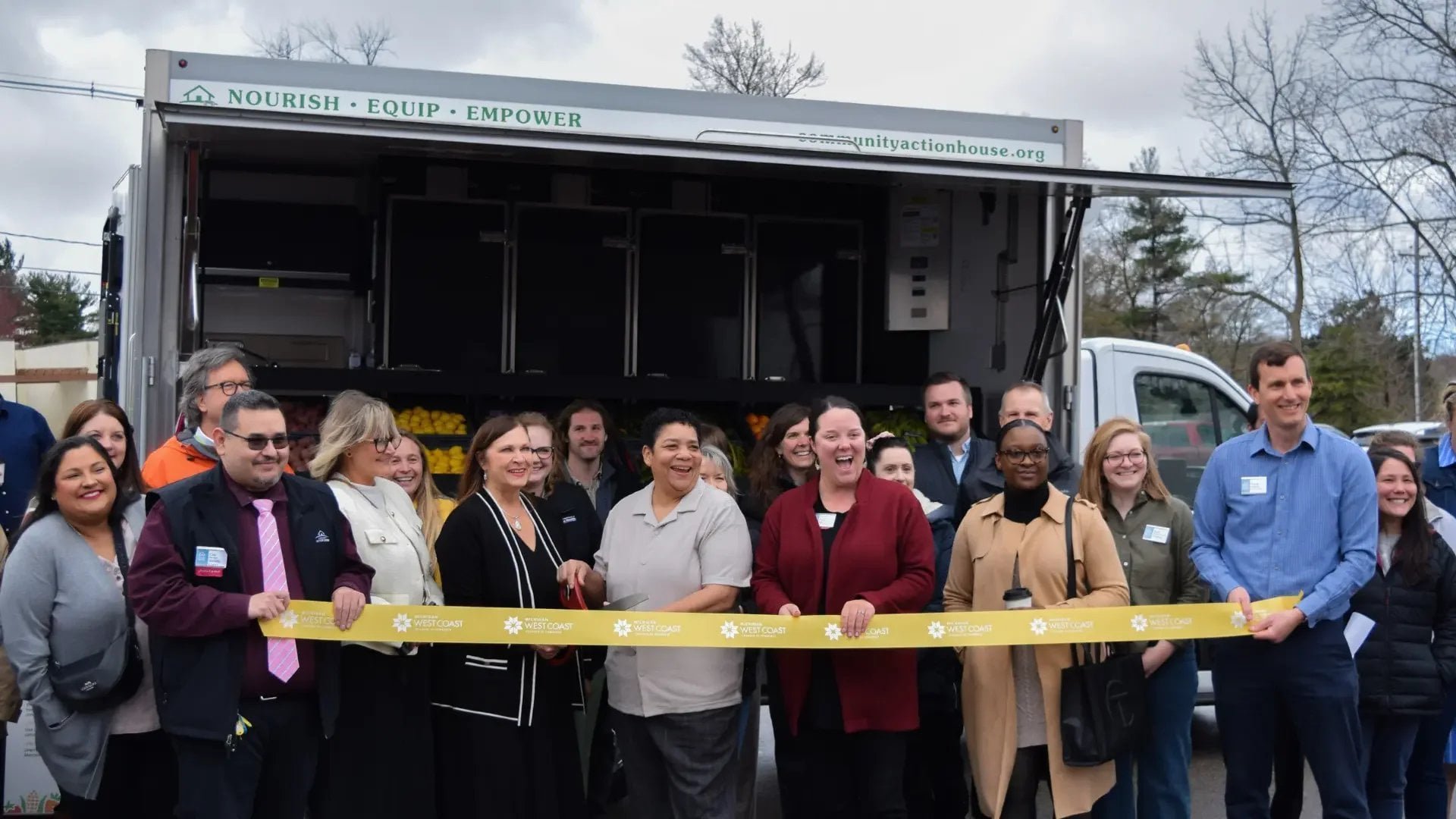
Older adults face distinct food access challenges. Mobility limitations. Fixed incomes. Transportation barriers. Health conditions requiring dietary management. Mobile grocery stores are well-suited to address these challenges when designed appropriately for senior populations.
Why Seniors Face Unique Food Access Barriers
Transportation is often the central barrier. Many older adults have stopped driving or don’t drive. Public transit may be unavailable, inaccessible, or physically challenging. Taking a cab, if they’re available, is very expensive. Relying on family or neighbors for grocery trips creates dependence and limits shopping frequency.
Mobility limitations affect store navigation. Even when seniors can reach a store, navigating aisles, reaching shelves, and carrying purchases can be difficult. Fatigue limits how much time they can spend shopping.
Fixed incomes constrain purchasing power. Social Security and pension income often leaves little margin. Seniors may skip meals, buy less nutritious but cheaper food, or cut food spending to cover other necessities.
Health conditions require dietary management. Older adults disproportionately have diabetes, hypertension, heart disease, and other conditions where diet matters. Managing these conditions requires access to appropriate foods.
Social isolation compounds the problem. Food shopping can be one of the few social outings for isolated seniors. Losing that interaction, or finding it too difficult, affects both nutrition and wellbeing.
Mobile Markets as a Solution
Mobile produce markets address these barriers directly when tailored for senior populations.
Bringing food to senior housing eliminates transportation barriers. Stops at senior apartment complexes, assisted living facilities, and naturally occurring retirement communities put groceries within walking distance. Sometimes even elevator distance.
Accessible shopping experiences matter. Mobile markets can provide assistance with selection and carrying purchases. Staff can reach items, suggest products, and help customers to their apartments. The smaller, focused environment is less overwhelming than a supermarket.
SNAP and senior nutrition benefits are accepted. Many seniors qualify for SNAP but don't use it due to stigma or complexity. Mobile markets that accept EBT normalize benefit use. Senior Farmers Market Nutrition Program vouchers may also be accepted where available.
Products can be curated for senior needs. Smaller package sizes suit smaller households. Easy-to-prepare items work for those with limited cooking capacity. Familiar products build comfort. Fresh produce supports dietary management for chronic conditions.
Social interaction accompanies shopping. Regular market visits become social touchpoints. Seniors chat with market staff and neighbors. The market becomes a small community event.
Program Design for Senior Populations
Several design considerations matter for senior-focused mobile markets.
Stop scheduling should align with senior routines. Mid-morning or early afternoon often works better than early morning or evening. Avoid times that conflict with medical appointments, which cluster on certain days.
Stop duration may need to be longer. Seniors shop more slowly. Rushing creates stress and excludes those who need more time. Plan for 90-minute to 2-hour stops rather than quick 45-minute visits.
Staff training on senior engagement matters. Patience, respect, and assistance without condescension make the experience positive. Staff should be comfortable helping with physical tasks and navigating benefit questions.
Product selection should consider preparation capacity. Seniors living alone, particularly those with limited mobility, may struggle to prepare complex meals. Pre-washed produce, smaller portions, and easy-preparation items serve this population better.
Communication channels need to match the audience. Printed schedules posted in common areas may work better than apps or websites. Announcements through building management reach more seniors than social media.
Healthcare Integration
Senior mobile market programs have natural connections to healthcare.
Medicare Advantage plans sometimes cover produce benefits for food-insecure members. Mobile markets can serve as redemption sites for these benefits, creating a direct payer relationship.
Senior-focused clinics and geriatric practices can refer patients. Food insecurity screening in these settings identifies seniors who could benefit from the mobile market and who might not learn about it otherwise.
Chronic disease management programs for seniors often emphasize nutrition. Mobile markets make dietary recommendations actionable for patients who otherwise couldn't access recommended foods.
Health screenings and education can accompany market visits. Blood pressure checks. Nutrition information. Connections to other services. These can happen alongside grocery shopping.
Sustainability Considerations
Senior-focused mobile markets often have favorable economics for certain metrics. Repeat customer rates tend to be high. Seniors who find a reliable source don't abandon it. Location density in senior housing means many customers in a small area.
But per-customer transaction sizes may be smaller (individuals shopping for one). And the population often has significant SNAP usage, which generates less margin than full-price sales for subsidized programs.
Sustainability often requires combining mission-driven funding (grants, health system support, community benefit) with whatever earned revenue the program can generate. Pure commercial viability is difficult. Blended models work.
For more on hospital and health system mobile markets, see: Mobile Markets for Hospitals and Health Systems.
