
Hospital Community Benefit Requirements: How Mobile Markets Qualify
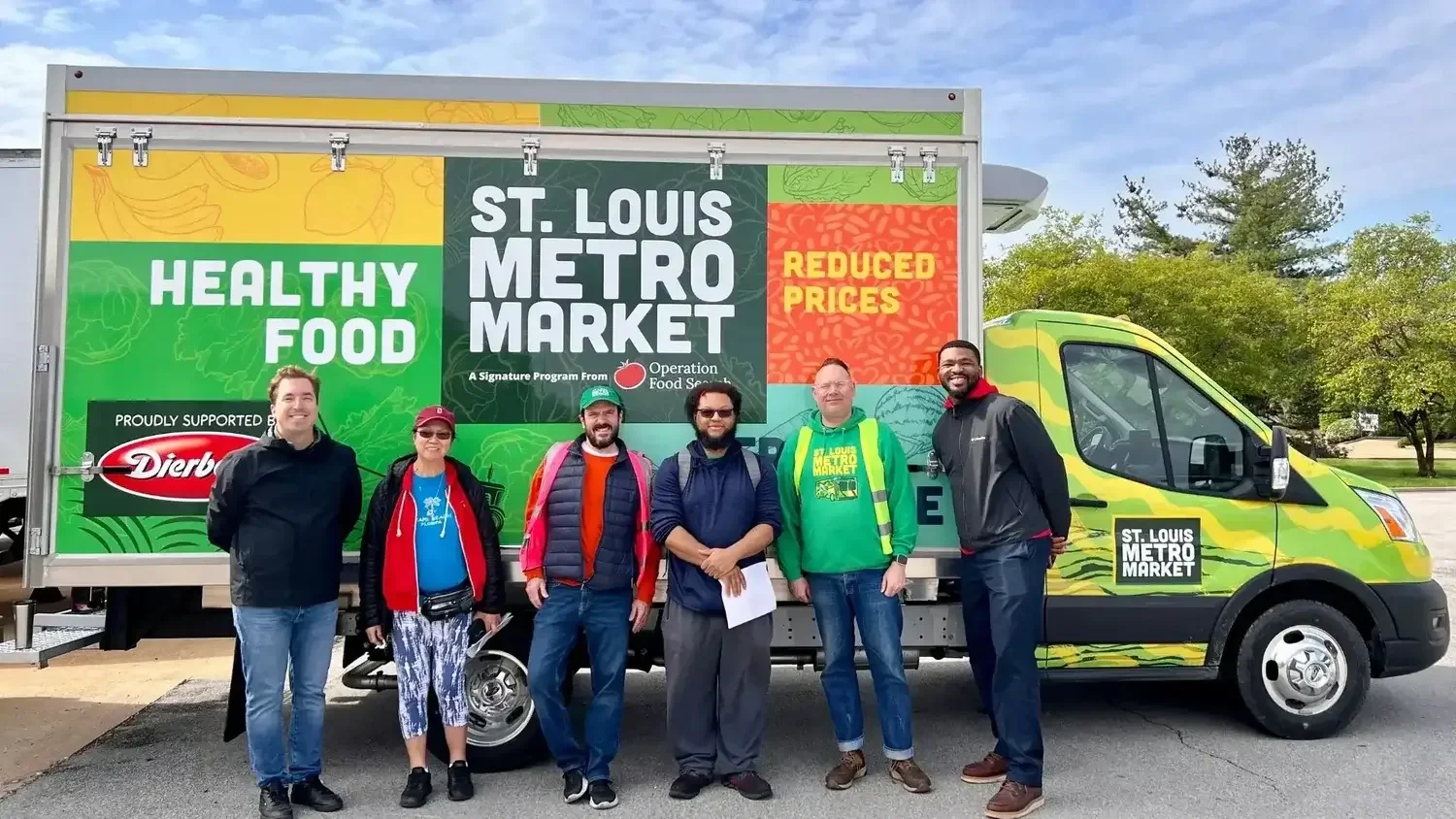
Nonprofit hospitals maintain tax-exempt status partly by providing 'community benefit.' Activities that address community health needs beyond standard patient care. Mobile markets can qualify as community benefits, helping hospitals meet requirements while genuinely improving fresh food access.
Understanding how mobile markets fit into community benefit frameworks helps health systems structure and document programs appropriately.
What Community Benefit Means
The IRS requires tax-exempt hospitals to demonstrate they benefit the communities they serve. This isn't optional. Failure to document adequate community benefit can trigger questions about tax-exempt status.
Community benefit encompasses several categories: charity care, Medicaid shortfall, community health improvement activities, health professions education, subsidized health services, research, and cash and in-kind contributions. Hospitals report community benefit annually on IRS Form 990 Schedule H.
Community health improvement activities, the category most relevant to mobile markets, include programs that address broader health needs. Particularly the social determinants that affect health outcomes in a hospital's service area.
How Mobile Markets Qualify
Mobile markets fit naturally into community health improvement when structured appropriately.
Addressing identified community needs is the foundation. Hospitals conduct checked for accuracy every three years, identifying priority health issues in their service areas. Food access and nutrition consistently appear as identified needs in underserved communities. A mobile grocery market that addresses CHNA-identified food access gaps has clear community benefit justification.
Targeting underserved populations strengthens the case. Programs that specifically serve low-income neighborhoods, food deserts, or medically underserved populations align with community benefit principles. Serving the general public is fine. Targeting vulnerable populations is better.
Connecting to health outcomes matters. Mobile markets that link to clinical goals, supporting patients with diet-related conditions, integrating with food insecurity screening, offering produce prescriptions, demonstrate health improvement intent beyond simple food distribution.
Documentation requirements must be met. Hospitals need to track program costs, services delivered (stops, customers served, pounds distributed), and ideally health outcomes for community benefit reporting. This administrative overhead is necessary for credit.
Calculating Community Benefit Value
How much community benefit credit does a mobile market generate?
Direct costs are the baseline: vehicle depreciation, staffing, fuel, inventory costs, and administrative overhead attributable to the program. These costs, properly documented, count as community benefit expenditure.
Some programs generate additional value beyond direct costs. If the hospital subsidizes food prices below cost, the subsidy amount represents additional community benefit. If the program serves uninsured patients who would otherwise lack food access, there may be arguments for additional credit.
The calculation should be conservative and defensible. Community benefit reporting faces scrutiny. Aggressive claims create risk. Work with finance and compliance teams to establish appropriate methodology.
Structuring for Community Benefit
Several structural decisions can strengthen both community benefit documentation and long-term program sustainability.
Prioritize underserved communities, while enabling sustainability.
Mobile market stops in low-income neighborhoods, public housing, and areas with limited grocery access clearly demonstrate community benefit targeting. At the same time, strategically placed stops in higher-income or well-served areas can play an important role in financial sustainability.
This approach, often referred to as the Robin Hood model, allows revenue from stronger-performing stops to subsidize access-focused locations, expanding overall reach without compromising mission.
This model is a core framework taught through Mobile Market University (MMU), where operators learn how to balance impact and revenue to build programs that last.
Accept SNAP/EBT and other assistance. Serving customers who rely on food assistance demonstrates reach to low-income populations. High SNAP redemption rates at your mobile market support community benefit documentation.
Link to clinical programs. Integration with food insecurity screening, produce prescriptions, or chronic disease management programs creates explicit health improvement connections.
Track and report outcomes. Data on customers served, demographics reached, and ideally health outcomes provides evidence of community benefit. Without data, you're asserting benefit. With data, you're demonstrating it.
Community Benefit vs. Core Mission
A note on framing: mobile markets shouldn't be pursued primarily for community benefit credit. They should be pursued because they improve health in the community the hospital serves.
Community benefit accounting is documentation of value, not the reason for the program. Hospitals that approach mobile markets as checkbox exercises for tax compliance tend to underinvest and underperform. Hospitals that approach them as genuine community health interventions, which happen to also qualify as community benefit, achieve better outcomes.
The IRS reporting requirement provides a framework for accountability and documentation. It's useful. But the actual goal is a healthier community. Mobile markets are one tool toward that goal.
For more on hospital mobile market strategy, see: Mobile Markets for Hospitals and Health Systems.
Planning a mobile market?
Get the year-one budget worksheet we use with every new operator. Vehicle, equipment, staffing, produce, insurance, contingency. Opens as a Google Sheet you can copy and edit.
Built from 60+ programs launched in 26 states.
