
Local Sourcing Partnerships: Connecting Farmers to Mobile Market Operators
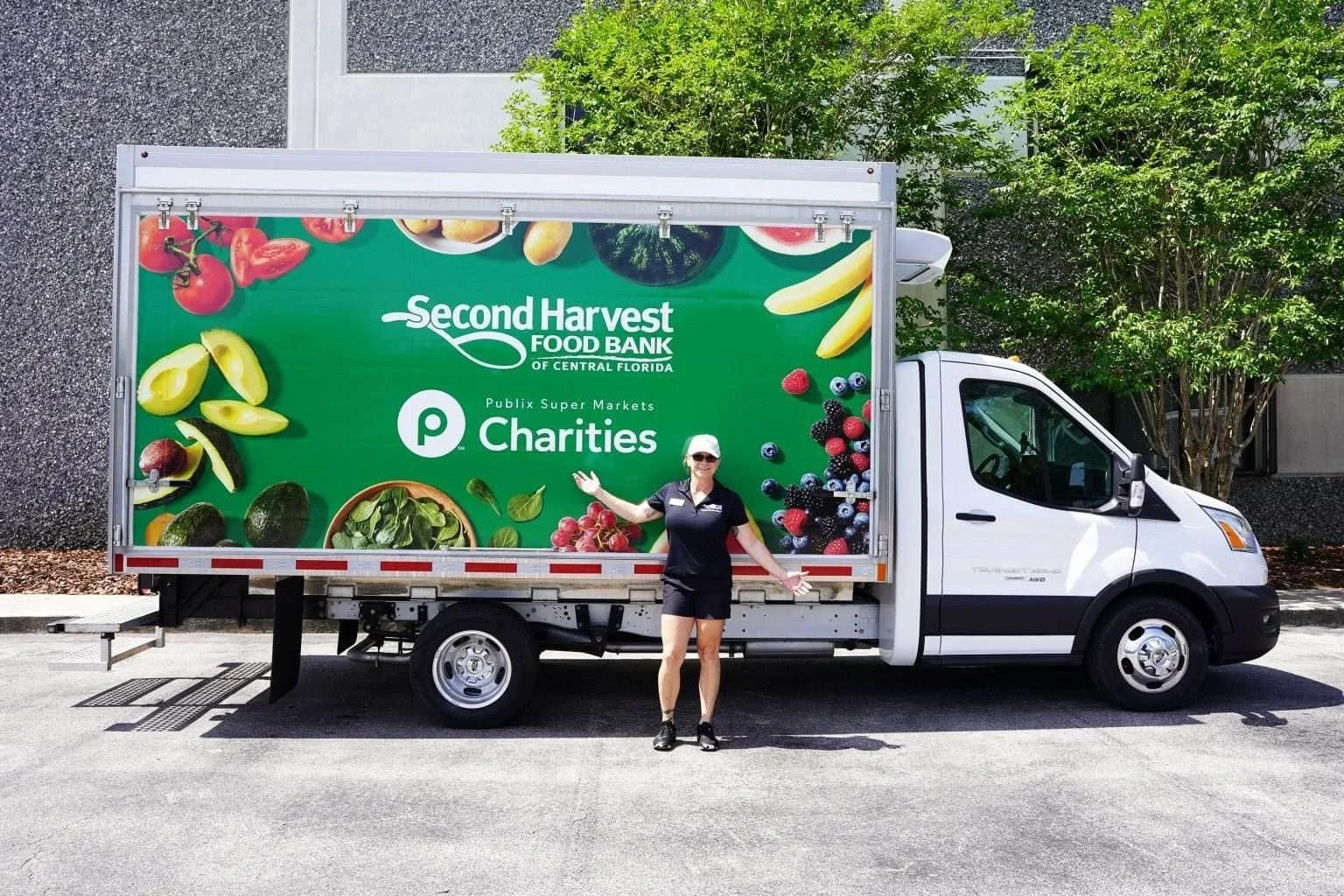
Local sourcing can differentiate a mobile market, support regional agriculture, and resonate with customers who value local food. But building reliable local supply relationships takes work.
Here's how farmers and mobile market operators can build effective partnerships.
Why Local Sourcing Matters
For mobile market operators, local sourcing offers several advantages.
Product differentiation: 'Grown 30 miles from here' is a story. Local products stand out from commodity produce available anywhere.
Freshness: Shorter supply chains can mean fresher product. Tomatoes picked yesterday taste different from tomatoes picked last week.
Customer demand: Many mobile market customers actively prefer local products and will pay a premium or accept a more limited but in-season selection for local sourcing.
Community food system alignment: Mobile markets serving underserved communities often have missions aligned with supporting local farms and regional food systems.
For farmers, mobile grocery stores offer:
Direct sales channel: Mobile markets provide retail access without requiring farmers to staff farmers market booths.
Consistent orders: Regular mobile market orders provide predictable demand that helps with planning.
Outlet for small quantities: Mobile markets can absorb smaller volumes than wholesale channels require.
Local visibility: Product sold through community mobile markets builds local awareness and reputation.
Making Partnerships Work
Successful local sourcing partnerships require attention to several factors.
Communication about volumes and timing: Farmers need advance notice about order quantities. Mobile market operators need reliable supply commitments. Both parties benefit from regular communication about upcoming needs and availability.
Quality expectations must be clear: What grade, size, and packaging does the mobile market need? What standards must product meet? Agreeing these points upfront prevents disappointment.
Pricing that works for both sides: Farmers need prices that cover costs and provide reasonable returns. Mobile market operators need prices that allow competitive retail pricing. Finding the zone where both work requires honest conversation.
Delivery and logistics: Who transports product from farm to market vehicle? Who absorbs transportation costs? Clear arrangements prevent confusion.
Payment terms: When does payment happen? Net 30 might work for some. Immediate payment on delivery might be necessary for others. Align expectations.
Structures for Local Partnerships
Several partnership structures can work.
Direct purchase: when a mobile market buys from a farmer at an agreed price, it takes ownership and the inventory risk. It is the simplest arrangement with clear responsibilities.
Consignment: a farmer supplies the product, the mobile market sells it, and the farmer is paid based on sales minus commission. In this case the farmer retains ownership risk and the mobile market has less capital tied up.
Contract growing: the mobile market commits to purchasing agreed quantities over a season. In turn, the farmer plans production around that commitment. Both have more certainty and predictability.
Farm stand partnership: a mobile market operates from or adjacent to a farm, combining on-farm sales with mobile routes. This shares the customer base and offers cross-promotion.
The right structure depends on volumes, relationship history, and both parties' risk tolerance.
Common Challenges
Local sourcing isn't without difficulties.
Inconsistent supply: Weather, pests, and crop failures always play a part and affect what's available. Local sourcing requires flexibility that commodity supply chains don't demand.
Seasonal limitations: Local sourcing in northern climates means different products in July versus January. Mobile markets relying heavily on local sources will therefore face seasonal product gaps.
Scale mismatches: Some farms are too small to supply mobile market volumes reliably. Others are too large to bother with mobile market orders. Finding right-sized partners takes time.
Price pressure: Competing with commodity produce on price is difficult when local production costs are higher. Operators must build customer willingness to pay for local value.
Building Relationships
Strong local sourcing relationships develop over time.
Start small: Test partnerships with modest orders before committing to large volumes. See how communication, quality, and logistics work in practice.
Visit farms: Understanding where and how product is grown builds relationships and provides stories for customers.
Provide feedback: Tell farmers what sells well and what doesn't. Share customer reactions. Useful feedback strengthens partnerships.
Honor commitments: If you commit to buying certain volumes, follow through. Farmers who plant based on your promises need you to keep them.
Pay on time: Cash flow matters to farmers. Reliable payment builds trust.
For more on mobile market commercial operations, see: The Mobile Grocery Store Model.
