
Mobile Market Staffing: Paid Staff vs Volunteers
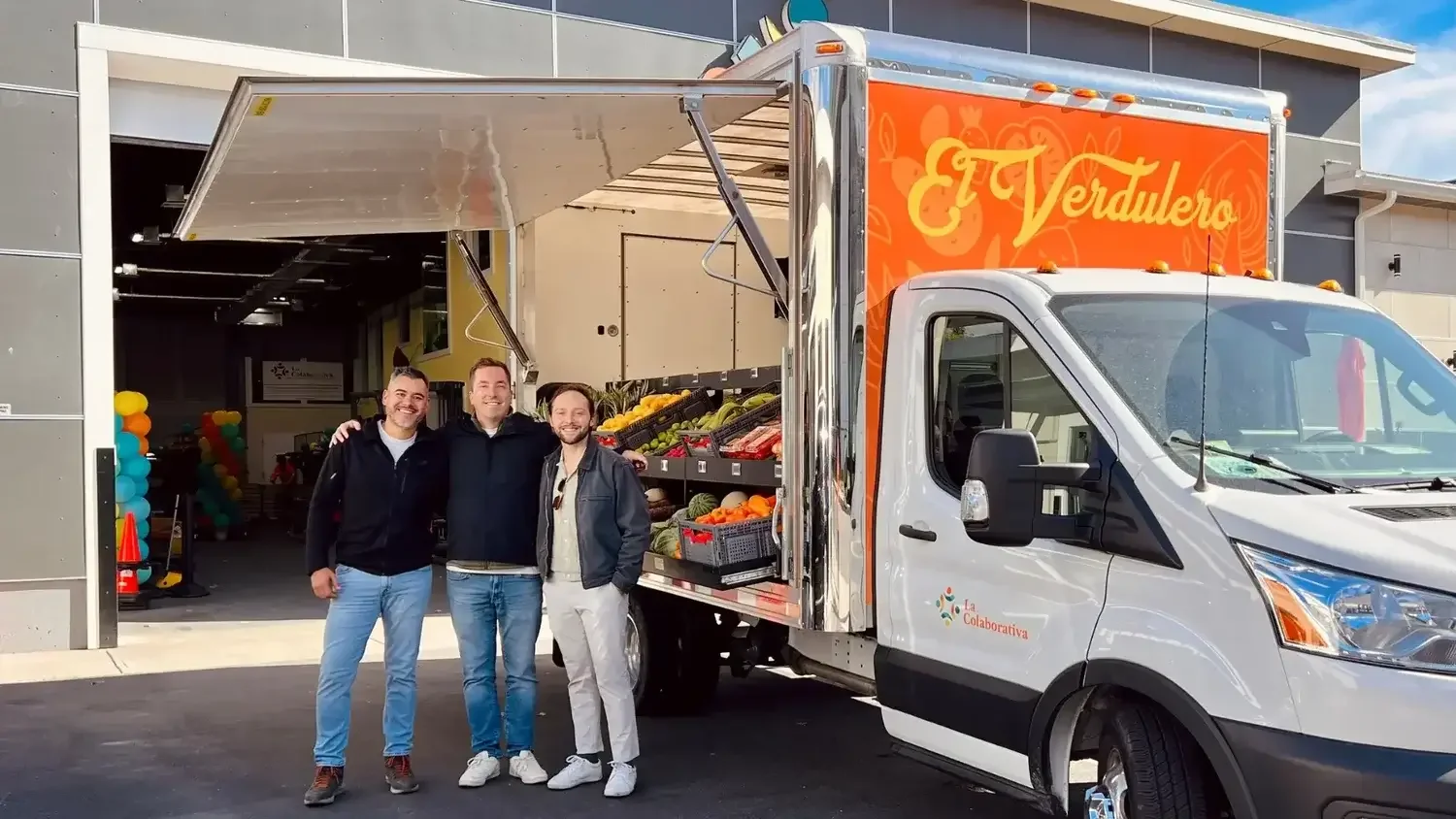
Every mobile market operator faces the staffing question: paid employees, volunteers, or some combination of the two? The choice affects costs, consistency, capabilities, and culture. There's no universally right answer, and there are pros and cons for each.
The Case for Paid Staff
Paid staff provide consistency. Employees show up when scheduled. Their livelihood depends on it. You can plan operations around reliable availability. Customers see the same faces and build relationships.
Training investments pay off over time. Paid staff stay longer, accumulating knowledge and skills. You're not constantly retraining as volunteers cycle through.
Accountability is clearer. When someone is paid to do a job, expectations are straightforward. You can require specific performance and outcomes, provide timely feedback, and address problems directly.
Professional standards are easier to maintain. Paid staff can be held to service standards, food safety protocols, and operational procedures in ways that may feel awkward with volunteers.
The tradeoff: paid staff are expensive. A full-time driver/operator costs $35,000 to $50,000 annually with benefits. A program manager adds another $40,000 to $60,000. Labor is typically the largest operating expense for a mobile grocery store.
The Case for Volunteers
Volunteers dramatically reduce costs. A program that would require $80,000 in staffing might operate with a paid coordinator and volunteer support for $40,000 or less.
Community volunteers bring connections. Local volunteers know the community, speak the languages, and have relationships that paid outsiders lack. They can be assets for outreach and trust-building.
Volunteering creates ownership. Volunteers who believe in the mission become advocates. They spread the word, recruit others, and contribute in ways beyond their scheduled hours.
Volunteerism can attract funding. Some funders like seeing volunteer involvement. It suggests community investment and stretches grant dollars further.
The tradeoffs are real. Volunteer availability is unpredictable. People get sick, schedules change, life intervenes. Last-minute cancellations create operational crises.
Quality control is harder. Volunteers do the work differently than paid staff. Managing them requires different approaches than employee supervision.
Recruitment and coordination require ongoing effort. You'll spend significant time finding, training, scheduling, and thanking volunteers. This is real work that has to be done by someone.
Hybrid Models
Most successful mobile markets combine paid and volunteer roles.
A common model: paid driver/coordinator responsible for vehicle operation, inventory, and market setup, with volunteer support for customer service during market hours. The paid person provides consistency. Volunteers extend capacity.
Another model: paid program manager overseeing operations, with volunteer teams staffing individual market days. The manager handles coordination. Volunteers handle execution.
The key is putting paid staff in roles that require consistency and skill (driving, inventory management, program coordination) while using volunteers where variable capacity is tolerable (customer service, setup assistance, promotion).
Volunteer Management Realities
If you're relying on volunteers, plan for the management burden.
Recruitment is ongoing. Volunteers leave, move, burn out, get busy. You need continuous recruiting to maintain capacity. Budget time for this.
Training must be systematic. Volunteers need to know food handling, customer service, payment processing, and program policies. Inconsistent training creates inconsistent service.
Scheduling is complex. Matching volunteer availability to market schedules takes coordination. Software or systems help but require maintenance.
Recognition matters. Volunteers work for meaning, not money. Acknowledging contributions, celebrating successes, and making the experience rewarding retains good volunteers.
Some volunteers won't work out. Not everyone is suited for market work. You need graceful ways to redirect or release volunteers who aren't a good fit.
For practical, operator-tested insights on volunteer retention, see our recent webinar featuring real mobile market leaders and the Executive Director of Arlington Food Bank, where they share what actually works in keeping volunteers engaged long term.
Making the Decision
Consider these factors when choosing your staffing model.
Budget reality: What can you actually afford in staffing costs? Be honest about sustainable funding, not just launch budgets.
Volunteer pipeline: Do you have access to reliable volunteers? Organizations with strong volunteer programs (food banks, churches) may have better pipelines than others.
Operational complexity: How demanding is your program? More stops, longer hours, and complex logistics favor paid staff. Simpler programs are more volunteer-friendly.
Community context: Are local volunteers available during your market hours? Retired populations may be available weekdays. Working communities may not.
Organizational capacity: Can you realistically manage volunteers? If volunteer coordination would consume the time of someone who should be doing something else, the 'savings' may be illusory.
For more on starting a mobile market, see: How to Start a Mobile Market Program.
Planning a mobile market?
Get the year-one budget worksheet we use with every new operator. Vehicle, equipment, staffing, produce, insurance, contingency. Opens as a Google Sheet you can copy and edit.
Built from 60+ programs launched in 26 states.
