
Hunger Action Month: Moving From Awareness to Action
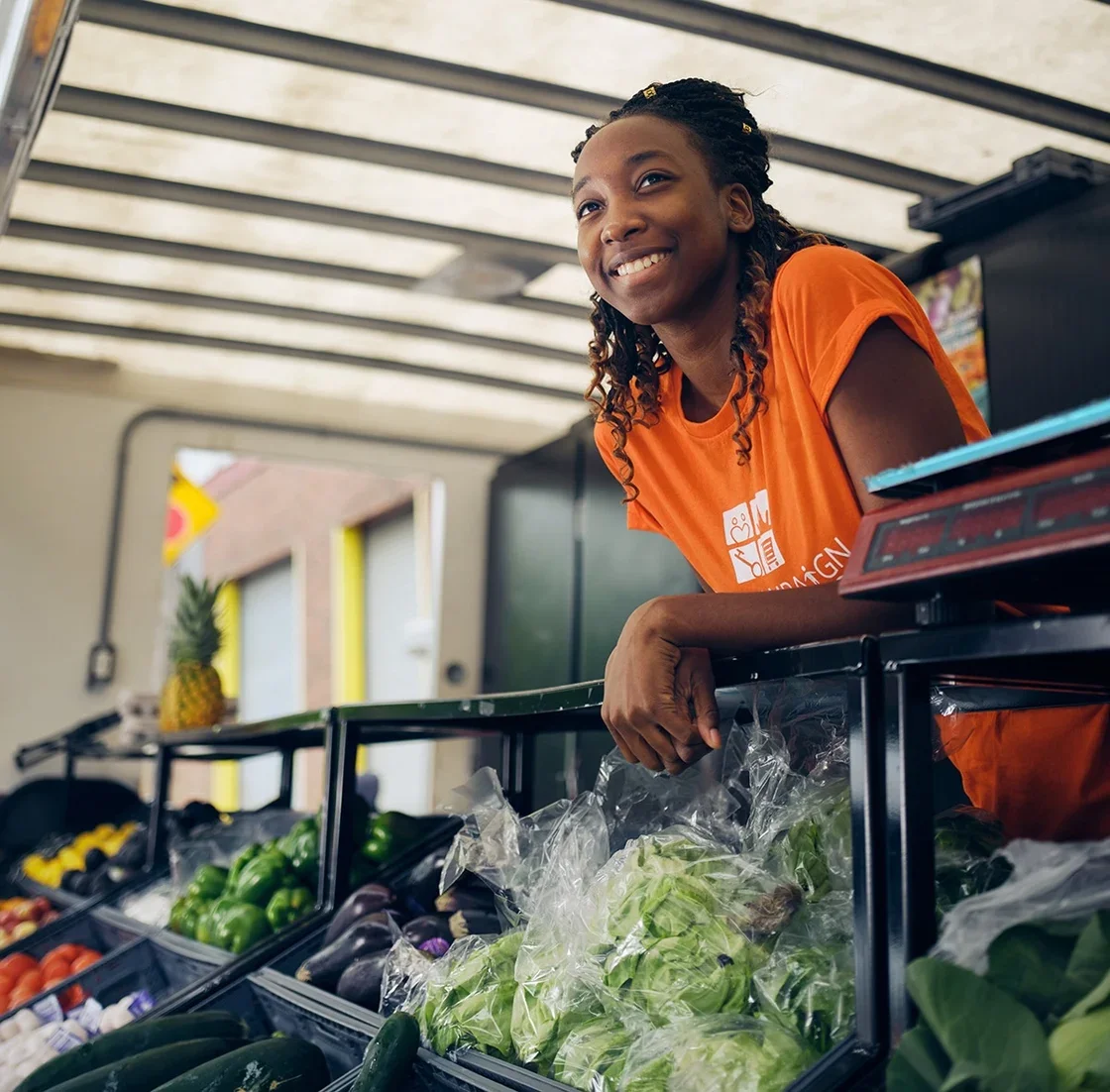
Photo Courtesy of the Campaign Against Hunger
Every September, Hunger Action Month brings greater attention to hunger and food access across the United States. It’s a time to raise awareness, get involved, and recognize the variety of organizations working to make nutritious food easier to access in communities across the country. This year, September 29th marks Hunger Action Day, a moment for people across the country to turn awareness into action and play a key part in the fight against hunger.
According to Feeding America’s latest Map the Meal Gap data, nearly 48 million people experienced food insecurity in 2024, including 14 million children. The data shows that food insecurity exists in every U.S. community, with rural and Southern communities experiencing some of the highest rates.
These numbers show the scale of the challenge. But behind them are a variety of communities with differing circumstances, needs, barriers, and resources. Through our work at Farmers’ Truck, we get to see how a range of organizations are responding to those differences and finding practical ways to bring fresh, nutritious food closer to the people in their local communities.
Food Access Looks Different in Every Community
There is no single, one-size-fits all solution to food insecurity. For example, transportation commonly acts as a major barrier. Families may live far from a full-service grocery store, while others may face challenges related to mobility or affordability. This variation means effective food access programs have to start by understanding the community itself, including its unique challenges and opportunities.
Mobile markets offer organizations the flexibility to do exactly that. They can bring food directly to neighborhoods and community spaces, reaching people where they already live and gather.
The Campaign Against Hunger: Meeting New Yorkers Where They Are
One organization putting this approach into action is The Campaign Against Hunger (TCAH) in New York City. Through its community food distribution centers, urban agriculture initiatives, Fresh Vibes Market, and mobile pantry, TCAH is finding different ways to bring nutritious food and resources closer to the communities it serves.
TCAH’s mobile pantry operates across Brooklyn and Queens, bringing fresh and shelf-stable groceries into communities facing transportation and geographic barriers. It’s a strong example of what happens when food access is designed around the people it is meant to serve.
The Importance of Dignity and Choice
Improving food access encompasses more than moving food from one place to another. The experience of food access on the ground matters, too. Giving people the ability to choose foods that work for their households, providing culturally relevant options, and creating a welcoming, educational shopping environment can all help make food access more dignified. For mobile market operators, it’s an important reminder: how food is accessed can matter just as much as where it is accessed.
Building Food Access That Lasts
Hunger Action Month gives us an important opportunity to talk about food insecurity. However, the organizations doing this work are building solutions that serve their communities continually throughout the year.
That requires consistency, strong partnerships, sustainable funding, and programs that can adapt as their community’s needs change. Mobile markets can become an important part of local community infrastructure by extending the reach of existing food-access programs and creating reliable ways to bring nutritious food closer to people. The goal isn’t simply to show up once, it’s to become a resource communities know they can count on for the long-term.
Turning Awareness Into Action
Hunger Action Month reminds us that everyone has a role to play. This could mean supporting a local food-access organization in your community, volunteering your time, advocating for stronger food systems, or learning more about the barriers facing people in your own area.
For organizations working in the food access space, it’s also an opportunity to reflect on several important questions. Where are people still struggling to access fresh food? What barriers are getting in the way? How could the existing programs reach further?
At Farmers’ Truck, we’re proud to work with many organizations like the Campaign Against Hunger, organizations that are answering questions like this every day and finding new ways to bring fresh food to their communities all year long.
Planning a mobile market?
Get the year-one budget worksheet we use with every new operator. Vehicle, equipment, staffing, produce, insurance, contingency. Opens as a Google Sheet you can copy and edit.
Built from 60+ programs launched in 26 states.