
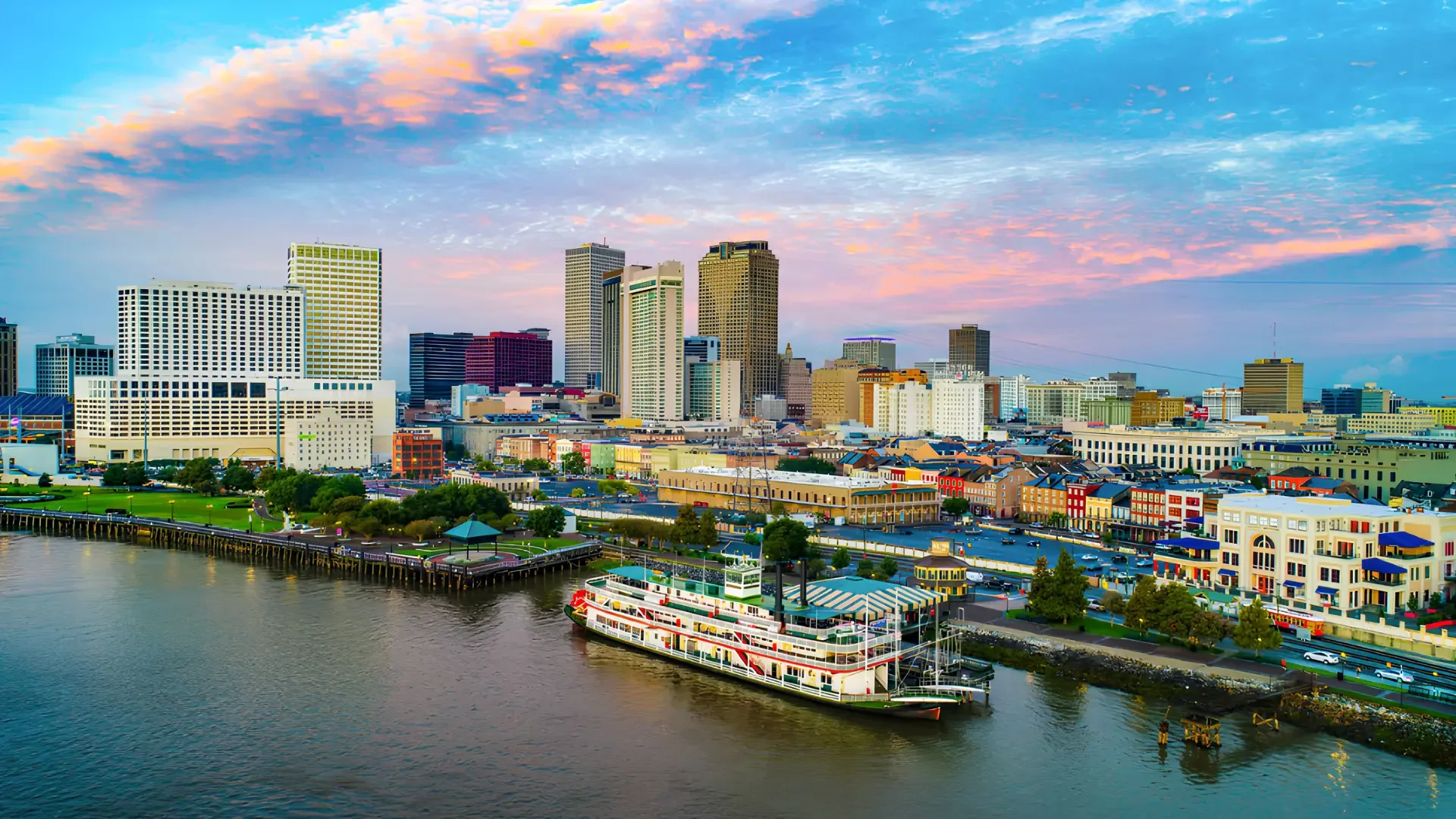
This week, we’re heading to New Orleans for the General Assembly of YMCAs, and we’re looking forward to engaging in the important conversations around how communities can become healthier and more connected.
Taking place from September 17-19, 2026, the General Assembly brings together YMCA leaders, board members, volunteers, partners, and organizations from around the country to gather, learn, connect, and share ideas. Farmers’ Truck will be there with a booth of our own, and there’s one conversation we’re especially excited to take part in, the one around food access.
How YMCAs Are Expanding Food Access
For many communities, the local YMCA is already much more than a place for recreation and fitness. As we’ve learned more about the work happening across the Y, we’ve been impressed by the many ways individual Ys are responding to food access needs in their communities.
According to the YMCA, Ys served more than 57 million meals and snacks to children, families, and seniors in 2024, reaching more than 2 million people. Ys have food programs that operate year-round, including throughout the summer, some that provide afterschool meals throughout the school year, and some have initiatives designed to support entire families.
Across the country, we’re seeing examples of Ys finding unique ways to bring fresh, nutritious food closer to the people they serve. This includes through food pantries and markets, food distribution centers, year-round meal programs, and other community-based approaches designed around each area’s specific local needs. For us, these programs are valuable examples of what can happen when organizations build food access around the realities of their own communities.
Meeting Communities Where They Are
One of the things that stands out to us about these programs is how closely they reflect local needs.
One example is the Hockomock Area YMCA, which operates Lenore’s Pantry & Market, a market-style pantry created in partnership with the Town of North Attleborough. Emphasizing dignity and choice, it serves as the hub for the YMCA’s food access programs and connects individuals and families to broader health and social support systems year-round. The YMCA of Greater Boston opened a food distribution center in East Boston in 2021, where fresh produce and pantry items are prepared for distribution to families across more than 45 sites in Boston.
Other Ys are using meal programs and community partnerships to reach children and families outside of traditional food access settings. One example is the La Crosse Area Family YMCA, which utilizes USDA meal programs to provide nutritious meals during out-of-school periods throughout the summer. The approach may look different from one community to another, but they share an important theme: food access is most effective when programs are designed around the people they serve.
We’re excited to hear more stories like these at the General Assembly, learn what’s working in different communities, and better understand where YMCA leaders see their food access work going next.
Let’s Talk in New Orleans
As an organization focused on mobile food access, we’re excited to see where mobile markets can complement the work already happening within communities.
More than anything, we’re coming to listen, learn, and connect. We’re looking forward to meeting YMCA stakeholders from across the country, learning from the programs already underway, and exploring where the Y is taking their food access work next.
If you’re exploring starting or expanding a mobile market, you’re looking for ways to bring fresh food closer to your community, or you’re thinking about how funding could help turn your idea into a sustainable program, come find us at the General Assembly from September 17-19th. We’d love to meet you! Let’s keep building a food-secure future together, one community at a time.