
How New York Is Rethinking Food Access
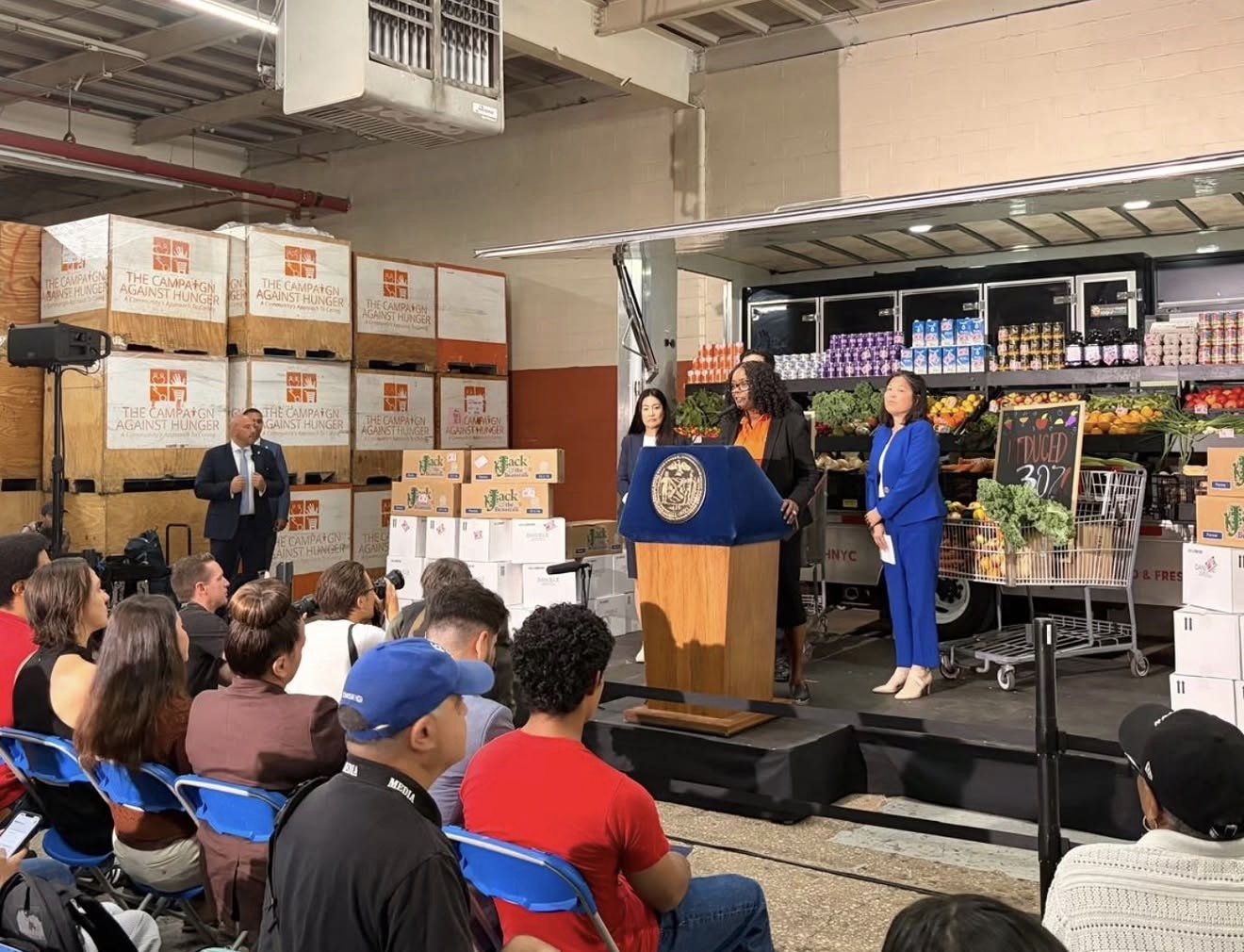
Photo courtesy of The Campaign Against Hunger
Rethinking food access is about building systems that make fresh, nutritious food more available and affordable for the communities that need it most. That’s exactly what New York is striving to achieve.
Rather than relying on emergency food distribution alone, organizations across the state are working to invest in long term solutions that strengthen local agriculture systems, improve community partnerships, expand food access, and create more resilience.
Looking Beyond Emergency Response
For decades, food banks have been an essential piece of the puzzle in responding to hunger. But many organizations are beginning to look beyond emergency response by asking a different question: How can we build a new food system that works better every day?
One example is the expansion of Nourish New York, a statewide initiative that connects New York farmers with distributors like food banks and emergency food providers. They help to keep fresh, locally grown food within the state while supporting both sides of the equation, agricultural producers and families experiencing food insecurity.
Additionally, organizations are looking into long-term solutions for strengthening New York’s local food systems. Food banks are investing directly in partnering with farms, recognizing that supporting local agriculture can strengthen regional food economies.
We’ve also had the privilege of working alongside organizations that are helping to bring this long-term vision to life. Our partners at FeedMore WNY are advancing this work through a variety of innovative food access programs, including mobile food pantries and Farm Market trucks that bring fresh produce directly into communities across Western New York. By combining food distribution with nutrition education and strong community partnerships, FeedMore WNY demonstrates how mobile food programs can work to build a more resilient regional food system.
We’re also seeing this broader shift reflected at the municipal level. Farmers’ Truck partner The Campaign Against Hunger recently welcomed Mayor Zohran Mamdani and New York City leaders to its East New York Community Food Hub to announce the City’s Request for Proposals (RFP) for a municipal grocery store initiative. The announcement reinforces a growing focus on resilient, community-centered food infrastructure and increasing access to healthy, affordable food across New York City.
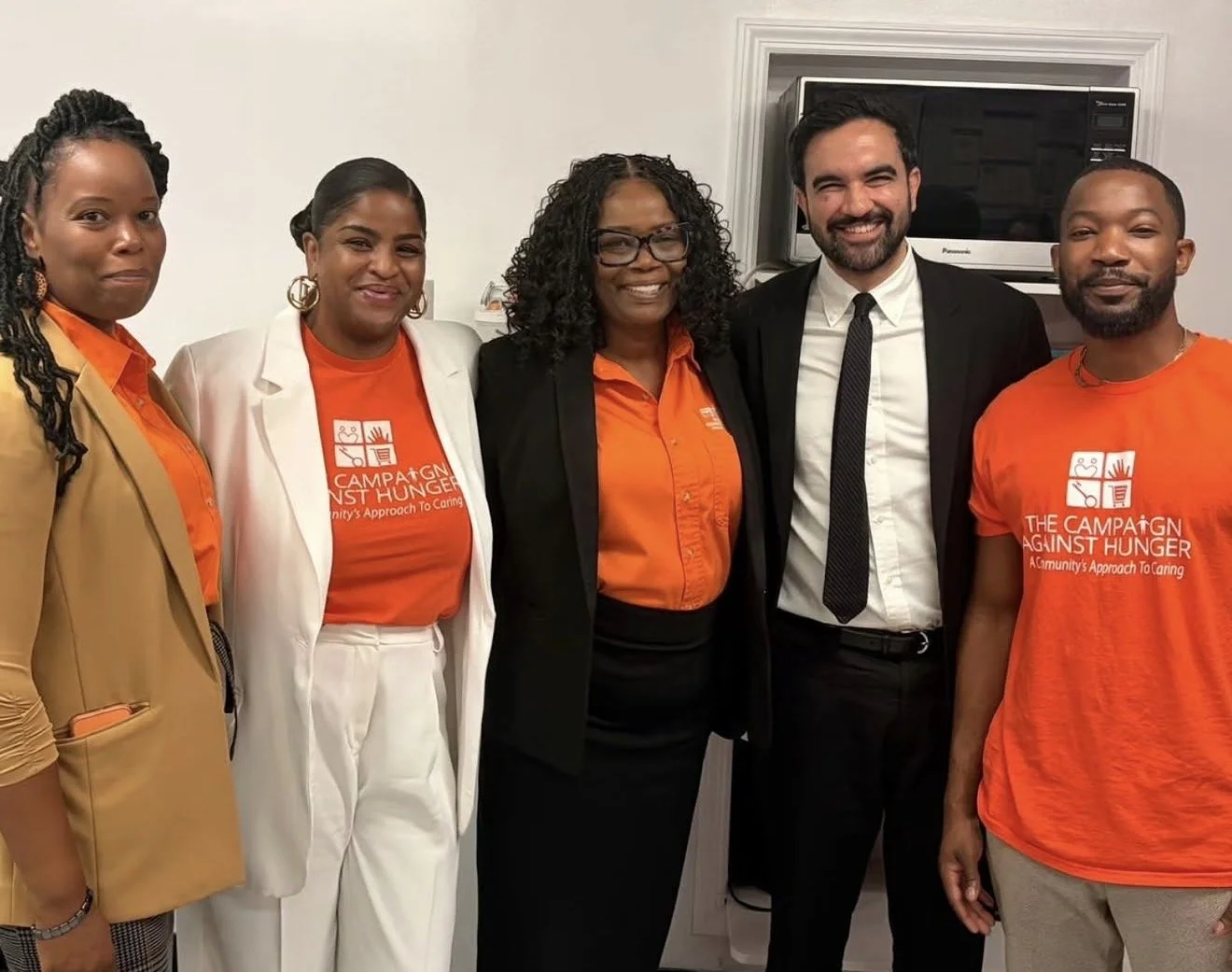
Photo Courtesy of The Campaign Against Hunger
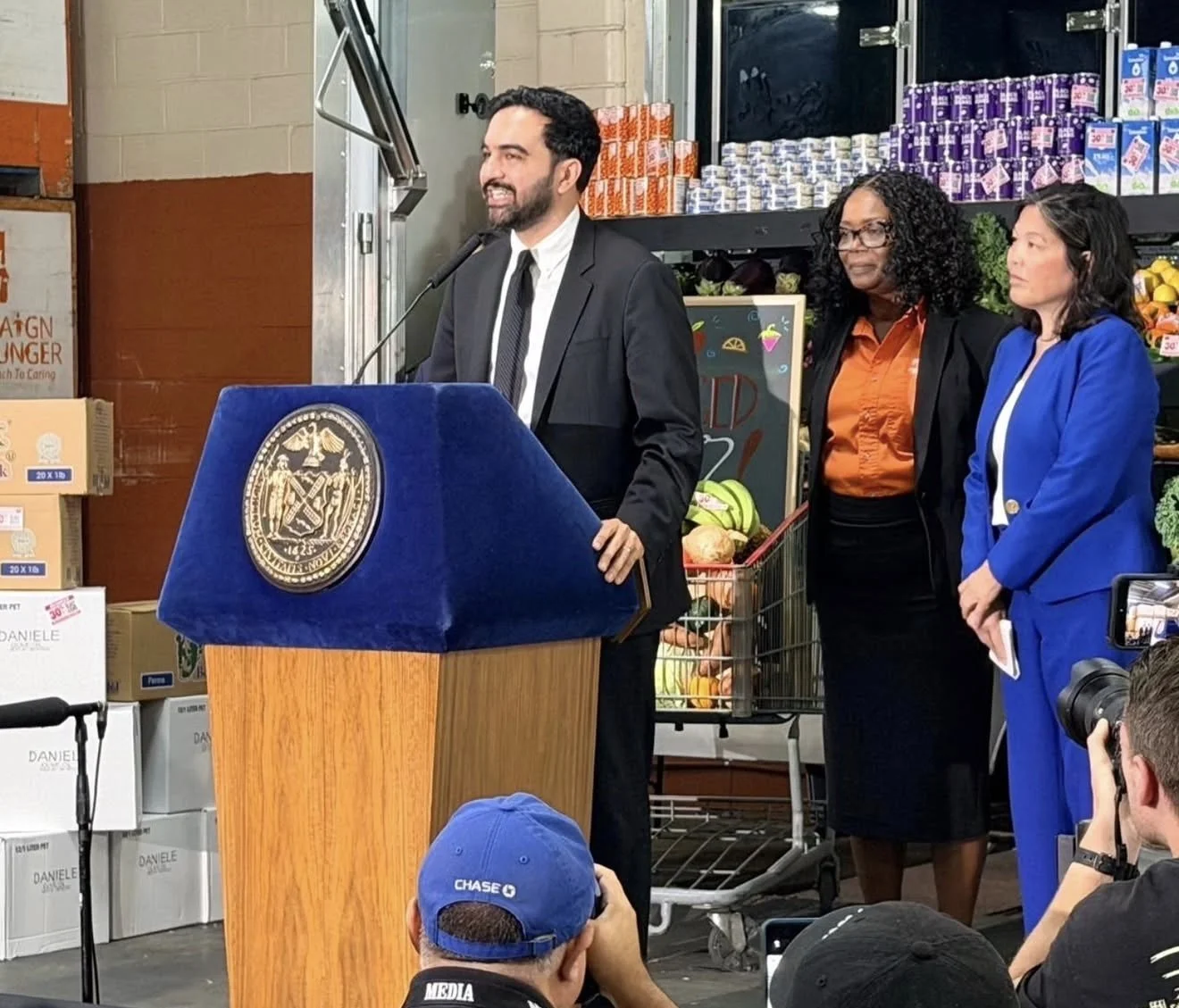
Photo courtesy of The Campaign Against Hunger
Using Data to Guide Decisions
New York’s organizations are also being more strategic in pinpointing where food access is needed most. Data becomes even more powerful when it’s visualized. In Rochester, one food pantry developed a mapping tool that combines food insecurity data with local pantry locations to identify the underserved neighborhoods and better guide future investments. The Farmers’ Truck has also developed a mapping tool to help organizations identify areas with limited food access, evaluate potential routes, and make more strategic decisions about where their mobile markets can have the greatest impact.
This is an important stride, as improving food access isn’t just about increasing the amount of food that’s available. It’s about better understanding where the gaps exist and directing resources to where they’ll have the greatest impact.
Where Mobile Markets Fit
Mobile markets act as a natural extension of this approach.
As organizations invest in stronger food systems, mobile markets can provide a flexible way to bring fresh food directly into communities while complementing their existing food banks, pantries, healthcare providers, schools, and community organizations.
We’ve had the chance to work alongside many of the organizations across New York that share our commitment to expanding fresh food access. While every community has different needs, our shared goal remains the same: creating practical, sustainable solutions to connect people with healthy food.
Building the Future of Food Access
New York’s initiatives demonstrate what can happen when agriculture, community organizations, data, and innovative food distribution networks work together.
The problem of food access won’t be solved by a single person or organization. The solution requires collaboration, thoughtful planning, long-term investments, and an overall willingness and commitment to rethinking how food moves through our communities.
That’s a future we’re excited to help build with our partners across the state of New York and beyond.
If you’re exploring funding opportunities to start or expand a mobile market program, our team can help you shape your strategy, identify opportunities, and build a strong application. Reach out today!