
Mobile Markets are Infrastructure. It’s Time We Treated Them That Way.
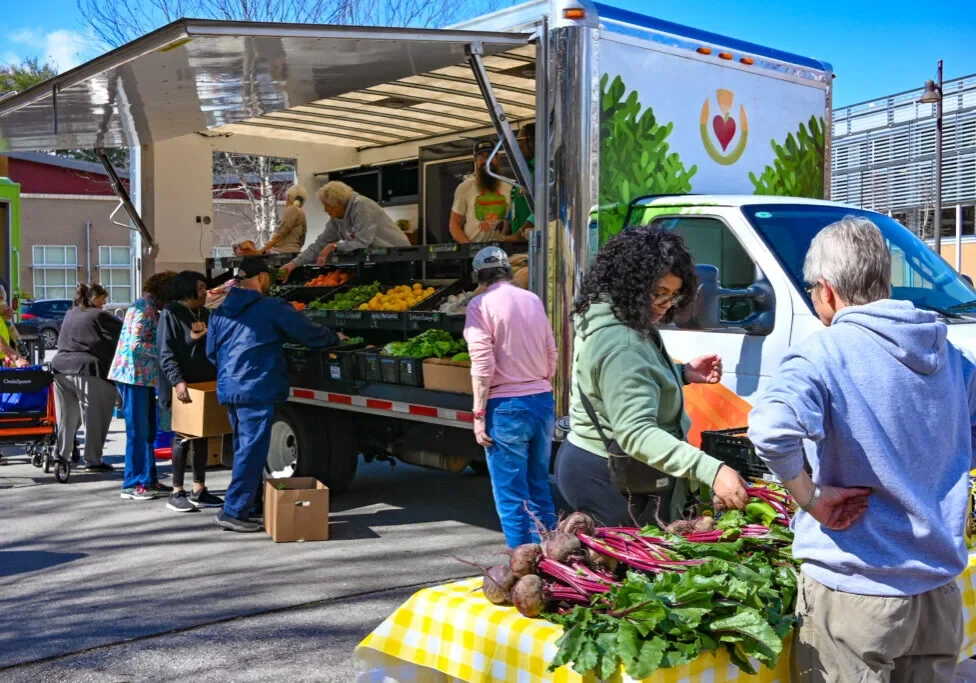
Photo courtesy of Bounty & Soul
When we think about the concept of infrastructure, most of us often picture public systems like roads, bridges, public transit, or utilities. Essentially, we think of the larger systems that keep our local communities connected and work to make our everyday lives possible. But at its core, the idea of infrastructure is really about making sure communities can reliably access the essentials they need to live healthy productive lives. As discussions around community development continue to evolve, it’s clear that food access and mobile markets deserve to become a crucial part of the infrastructure conversation.
Infrastructure Shapes Opportunity
The infrastructure that we choose to invest in has historically greatly influenced opportunity across the United States. Transportation networks, government investments, and overall community planning have shaped where businesses can grow, where people often live, and how easily residents can access vital services like jobs, schooling, healthcare, and education. This same principle applies to food access. When fresh, healthy food isn’t easily accessible, the effects reach beyond just the local grocery store. Communities with lower food access experience poorer health outcomes and opportunities for healthier living become more limited overall. In many cases, we have seen how treating mobile markets like community infrastructure can create the conditions for communities to thrive.
Where Mobile Markets Fit
Every community is unique, meaning food access solutions can’t be one-size-fits-all. Mobile markets offer a flexible way to strengthen communities’ existing food systems by bringing fresh food directly to places where access may be limited. Rather than replacing local grocery stores or food banks, mobile markets work alongside farmers, healthcare organizations, schools, and community partners to expand access where it’s needed most. Additionally, as communities change, mobile markets have the unique flexibility to adapt alongside them, helping organizations respond to new needs while building foundational, stronger local food systems.
A New Way of Thinking
We’re already beginning to see this shift across North America. Local governments, municipalities, and community organizations are investing more heavily in mobile markets through more dedicated legislation, increased grant funding, and improved food access initiatives. These investments reflect a growing recognition that mobile markets aren’t simply temporary responses to food insecurity, they’re vital in strengthening the long-term systems that support healthier communities. This represents an important distinction. The strongest infrastructure investments aren’t temporary fixes, they’re lasting solutions that continue creating value long after they’re built.
Building Stronger Communities
Public infrastructure like roads and water systems work to protect public health and connect people to opportunity. Food access plays an equally important role in helping communities grow, thrive, and become resilient. As more local governments and organizations begin to view mobile markets as infrastructure, they can better create the opportunities to build healthier communities, strengthen local food systems, and invest in solutions that will last for generations. That’s the future we’re excited to help build.
Looking to launch or expand a mobile market? Our team can help you identify funding opportunities, develop your strategy, and build a program designed for long-term success. Reach out today!
Planning a mobile market?
Get the year-one budget worksheet we use with every new operator. Vehicle, equipment, staffing, produce, insurance, contingency. Opens as a Google Sheet you can copy and edit.
Built from 60+ programs launched in 26 states.