
Why Mobile Markets Fail: Funding Mistakes to Avoid
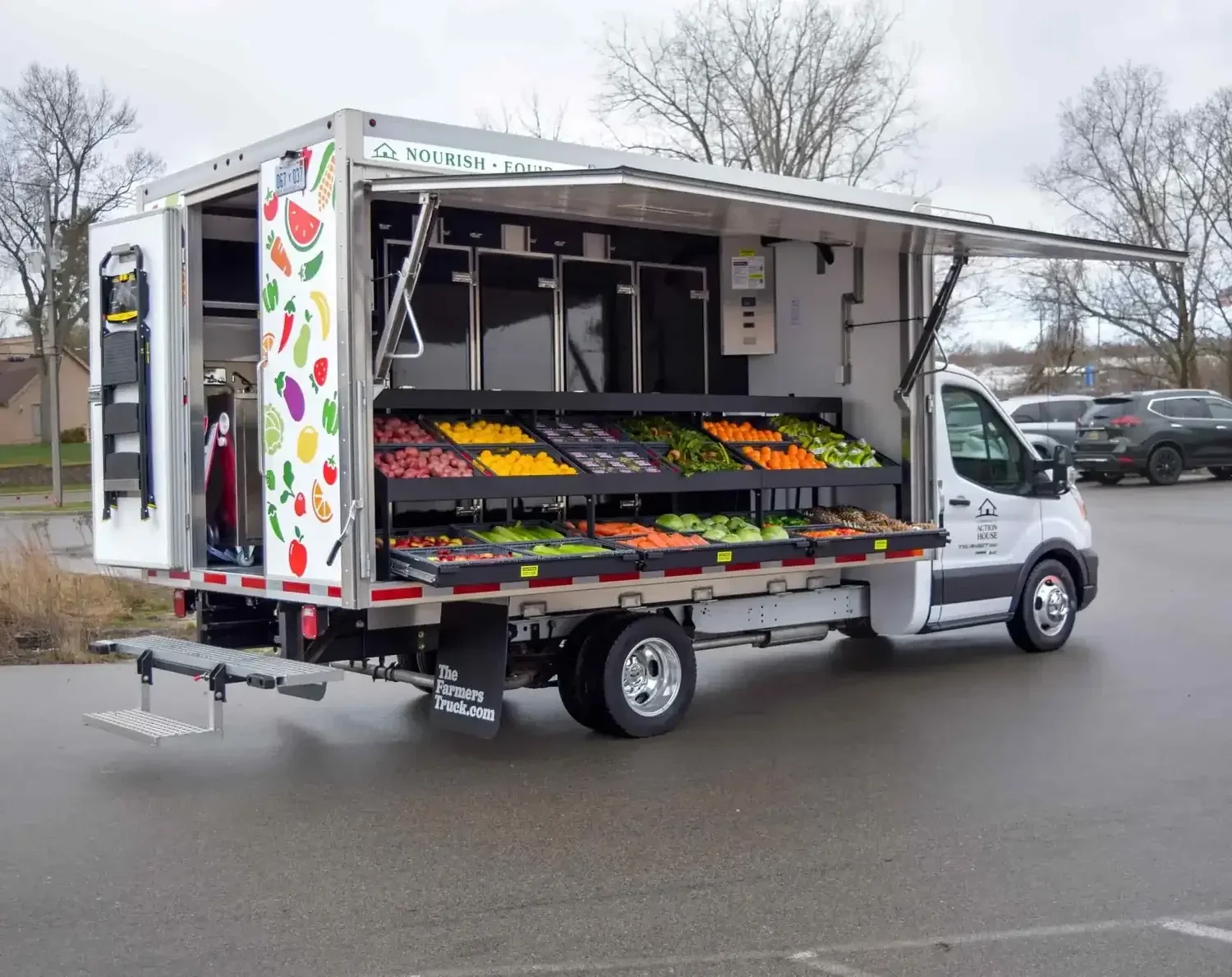
Not every mobile market succeeds. Programs close. Vehicles sit idle. Community expectations go unmet. Understanding common failure patterns, and the funding mistakes that enable them, helps funders make better investments.
Funding Vehicles Without Operations
The classic failure: a funder provides $200,000 for a mobile market truck. The recipient acquires the truck. Then they discover they cannot afford to operate it.
Vehicles require ongoing fuel, maintenance, insurance, staffing, inventory, and administrative oversight. A single-vehicle program may need $80,000 to $120,000 annually in operating costs. Without a clear operating plan, the vehicle sits unused. A well-intentioned investment becomes a parked asset.
What funders should do instead: Fund vehicles only when a realistic operating plan is in place. Require applicants to document their projected operating budget and identified revenue or funding sources. Whenever possible, pair capital support with first-year operating funds and a clear sustainability pathway for years two and three.
Short Time Horizons
Mobile markets will take time to build. Customer trust develops over months, stop locations will likely need adjustment, and operations require learning and refinement. A program evaluated at month six will look very different from the same program at month eighteen.
One-year grants often create pressure at the exact moment programs are beginning to stabilize. Instead of focusing on strengthening operations and deepening community relationships, operators can find themselves shifting energy toward reporting and renewal efforts.
What funders should do instead: Provide multi-year funding wherever possible. Two to three-year grants allow programs to develop beyond startup struggles. If multi-year isn't possible, be clear about renewal likelihood so programs can plan ahead of time.
Unrealistic Self-Sufficiency Expectations
Some funders expect mobile markets to become self-sustaining within a few years. 'We'll fund the startup costs, then you'll cover the ongoing costs through sales.'
Unfortunately, this rarely works for mission-driven programs. Serving low-income populations with subsidized pricing doesn't generate profits. Sales revenue can offset some costs but seldom covers them entirely.
Programs that promise self-sufficiency to secure funding often fail when the promise proves impossible. Or they shift to serving higher-income customers, and abandoning the mission that justified funding. There is a hybrid approach called ‘Robin Hood’ where programs serve both affluent communities to cover operating costs, and lower income communities to serve the mission.
What funders should do instead: Set realistic expectations about ongoing funding needs. Mission-driven mobile markets are more like libraries than businesses. Ongoing community investments, not self-sustaining enterprises.
Overlooking Organizational Capacity
A compelling proposal doesn't mean a capable organization. Mobile markets require logistics management, food handling expertise, community relationships, and operational consistency. Organizations without these capabilities will struggle regardless of funding.
Funders sometimes prioritize mission alignment or community representation over operational capacity. These factors matter, but they don't substitute for ability to execute.
What funders should do instead: Assess organizational capability alongside mission and need. Ask about relevant experience, key staff qualifications, and operational infrastructure. Consider capacity-building support alongside program funding.
Single-Funder Dependence
Programs funded entirely by one source are fragile. When that funder's priorities shift or budgets tighten, the program ends regardless of community impact.
Funders sometimes enjoy being the sole supporter of a program, but this creates an unhealthy dependence. The program optimizes for one funder's preferences rather than building broad community support.
What funders should do instead: Encourage and support funding diversification. Ask what other sources of funding the programs are pursuing. Consider requiring matching funds to ensure there are multiple stakeholders at the table.
Failing to Require Sustainability Planning
Programs that launch without sustainability plans often fail when initial funding ends. The excitement of the launch obscures the reality that year three and four need funding too.
Funders who don't require sustainability planning facilitate this failure. They fund promising launches without asking what comes next.
What funders should do instead: Require sustainability plans in grant applications. Ask: What funding will sustain this program after our grant ends? What are you doing now to build toward financial and operational sustainability? Require sustainability pdates in progress reports.
Not Learning from Failure
When mobile markets fail, valuable lessons often go uncaptured. Programs close quietly, and funders move on to new priorities. This is how the same mistakes get repeated elsewhere.
What funders should do instead: Require honest final reports from unsuccessful programs. What went wrong? What would they do differently? Share learnings (appropriately anonymized) to benefit the field. Failure does happen, so take the opportunity to learn from that failure and support the programs as they wind down.
For more on funding mobile markets effectively, see: Funding Mobile Markets at Scale.
Planning a mobile market?
Get the year-one budget worksheet we use with every new operator. Vehicle, equipment, staffing, produce, insurance, contingency. Opens as a Google Sheet you can copy and edit.
Built from 60+ programs launched in 26 states.
