
What Strong Mobile Market Partnerships Look Like
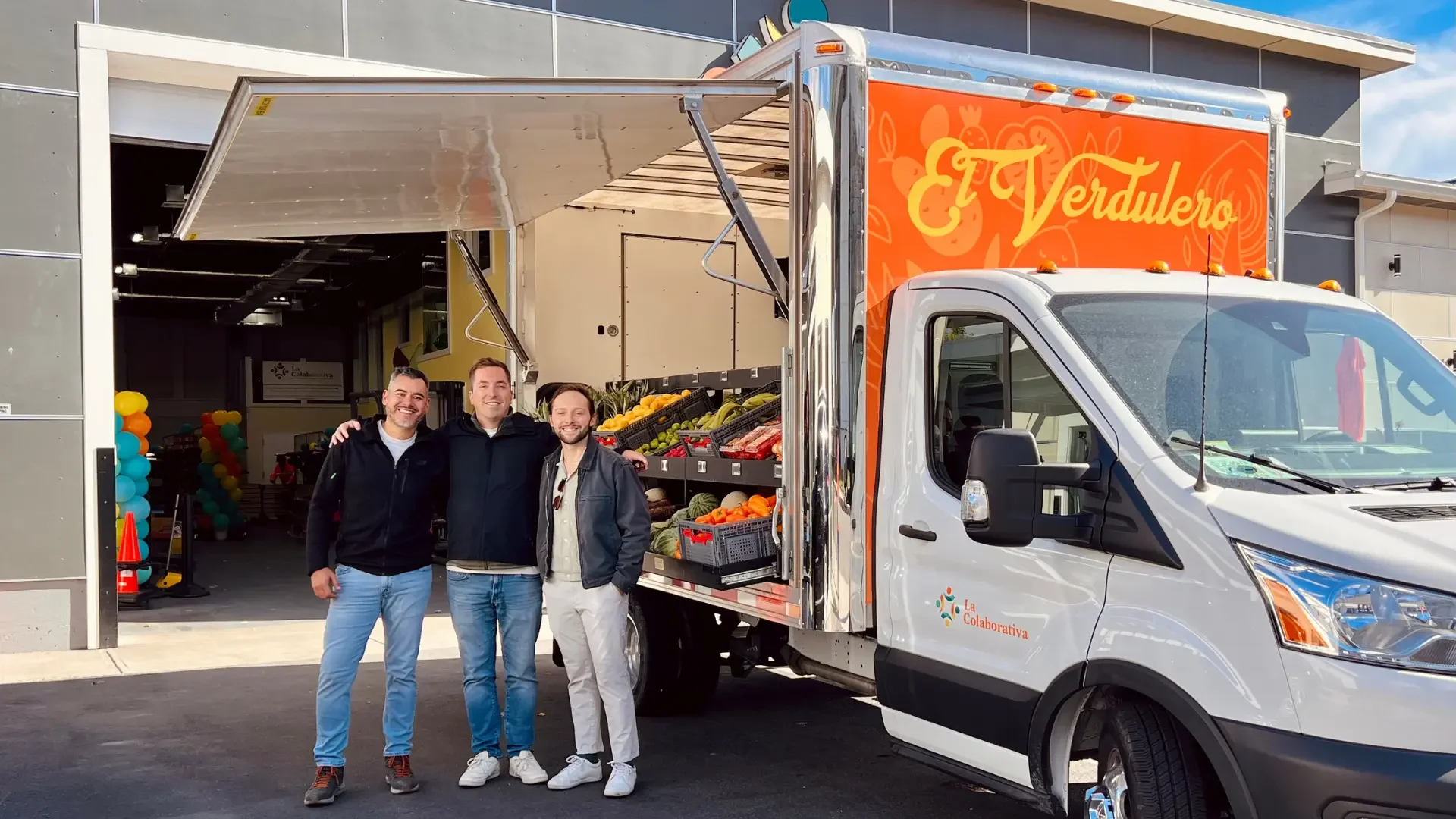
Strong partnerships are a vital ingredient in building a successful mobile market program. They are integral to reaching more customers, finding funding sources, and increasing community participation, but not all partnerships are built the same.
In strengthening and growing your mobile market program, it’s crucial to assess which partnerships carry the most meaningful value. The strongest operators are very intentional about who they choose to partner with and actively kindle those relationships in order to support their long-term success.
The Difference Between Visibility and Impact
The best way to start building your partnerships is by evaluating your why. Not all partnerships serve the same goal or purpose. Some can help to increase awareness about your market’s services, reach new audiences, generate attention, and tell your story. These primarily serve your visibility goals.
Additionally, other partnerships work to support your operations more directly. These partners can provide trusted locations, connect you with community members, help meet your sourcing needs, or support your program delivery in a myriad of ways. These work to foster your overall impact.
Both of these types of partnerships matter, but when it comes to sustainability, impact partnerships often contribute the most to your longer-term value. They are two sides of the same coin: visibility helps people discover your program, impact helps people utilize it.
The Best Mobile Market Partners Already Have Trust
One of the best ways to build partnerships is to work with community organizations that already have deeply ingrained community relationships. This could include health centers, schools, housing organizations, food banks, faith-based organizations, and community service providers.
For example, a housing organization could potentially host a weekly stop and help residents plan around its schedule. A health center may be able to refer patients that it knows would benefit from more access to fresh food, a school may help connect families with local nutrition programs.
These pillars of the community already understand the context in which they operate and their involvement can often generate more participation than general advertising or online campaigns. While it often takes time to gain a community’s trust, these local partnerships can tap into and build on a layer of trust that already exists.
What Strong Partnerships Actually Look Like
Impactful partnerships are mutually beneficial and often share several common traits, including shared goals, consistent communication, long-term commitment, mutual accountability, and clearly defined roles.
In ideal cases, your partnerships can become a part of your program’s infrastructure rather than a simple promotional opportunity. For example, a local healthcare partner may help identify parts of the community with the greatest need and reach out when they come across funding opportunities. Or a faith-based organization can offer a consistent location, promote the market, and ask for feedback from its members.
These types of partnerships create a mutually beneficial arrangement that allows both partners to grow, learn, adapt, and improve their services together.
Common Partnership Mistakes
One common mistake operators make in building partnerships is chasing flashy names instead of meaningful outcomes. A well-known name or brand may look successful on paper, but its visibility alone does not guarantee that it will meaningfully contribute to your program’s impact.
Another common mistake is relying too much on one-time collaborations. A single event or promotion may generate buzz, but long-term trust is built through consistency and ongoing engagement over time.
Partnerships can also falter when expectations aren’t clear. Without defined accountability from both parties, opportunities are often missed and coordination becomes difficult to sustain long-term. The best partnerships create value for everyone involved. If there is no clear benefit for both sides and one side is carrying all of the weight and receiving little in return, the relationship likely won’t last.
Partner Intentionally for Lasting Impact
The most successful mobile market programs aren’t built alone. They are often supported by a network of organizations and people working toward a common goal. The right partnerships can help you build community trust, reach more customers, strengthen your day-to-day operations, and improve your long-term growth.
If you’re planning to start a mobile market program, think through your partnerships carefully, as building the right relationships can become one of your strongest assets in both your day-to-day operations and in securing funding opportunities that require community collaboration.
If you’d like to learn more about how to start a mobile market program, reach out today!
Planning a mobile market?
Get the year-one budget worksheet we use with every new operator. Vehicle, equipment, staffing, produce, insurance, contingency. Opens as a Google Sheet you can copy and edit.
Built from 60+ programs launched in 26 states.