
What Products Should a Mobile Market Carry?
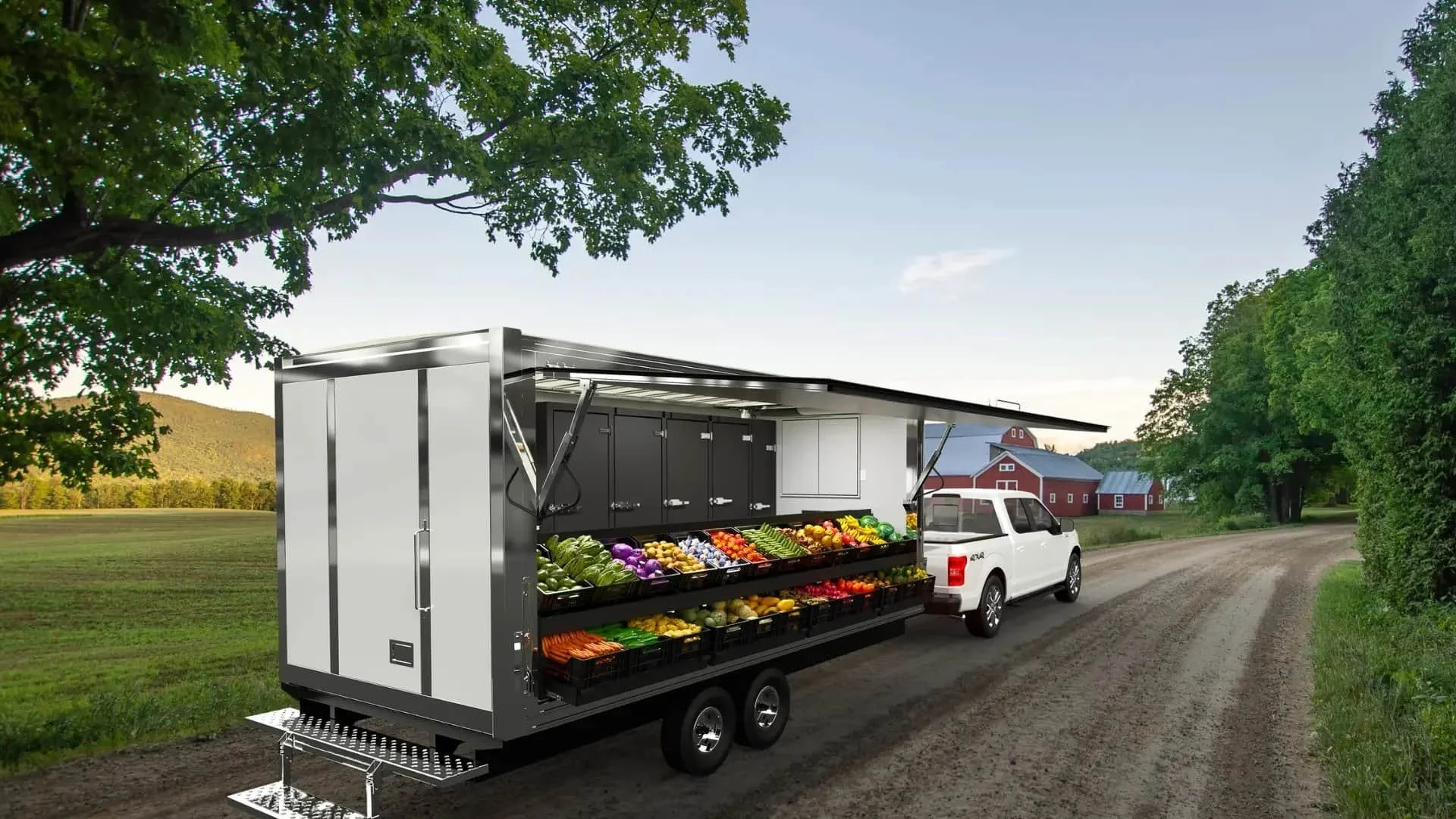
Product selection shapes everything about a mobile grocery store. Customer satisfaction. Operational complexity. Margins. Mission alignment. The right mix depends on who you're serving, what they need, and what you can realistically source and handle.
Start with Your Customer Base
Different populations have different needs.
A mobile market serving senior housing should emphasize easy-to-prepare items, smaller portion sizes, and products appropriate for fixed incomes and limited mobility. Fresh fruit that's easy to eat. Pre-washed salad greens. Eggs. Bread. Dairy basics.
A market serving families with children needs volume. Gallons of milk. Larger produce quantities. Eggs by the dozen. Bread. Kid-friendly items. Families shopping for a week need more than individuals shopping for a few days.
A market serving a culturally specific community should stock culturally relevant products. Specific produce varieties. Particular grains or legumes. Brands that community members recognize and trust.
The common mistake is stocking what operators think customers should want rather than what they actually want. Talk to your community before finalizing product mix. Observe what sells and what doesn't. Adjust based on reality, not assumptions.
The Produce Core
Fresh produce is central to most mobile produce market missions. It addresses the produce gap that defines food deserts.
A solid produce selection typically includes sturdy staples that hold up well: apples, oranges, potatoes, onions, carrots, cabbage. Add seasonal items that offer variety and value. Leafy greens for nutrition-conscious customers. Culturally relevant items for your specific community.
Quality matters enormously. Customers will forgive limited selection if what you carry is fresh and appealing. They won't return if the produce looks tired or damaged. Source carefully and rotate stock aggressively.
Pricing produce competitively, at or below supermarket prices, builds trust. The point isn't maximizing margin. It's becoming a reliable grocery source for people who need one.
Beyond Produce: Completing the Basket
Most successful mobile grocery markets carry more than produce. Customers appreciate one-stop shopping for weekly basics.
Eggs and dairy are high-demand, high-frequency purchases. If customers have to go elsewhere for milk and eggs, they might do all their shopping there. Carrying these items keeps them coming to you.
Bread and baked goods round out meals. Shelf-stable bread is easy to handle. Fresh bread from local bakeries can be a differentiator if logistics work.
Pantry staples like rice, beans, pasta, cooking oil, and canned goods help customers prepare complete meals. These items have longer shelf life and simpler handling than fresh products.
Proteins are more complex. Fresh meat requires additional refrigeration, handling protocols, and food safety considerations. Some markets carry frozen proteins. Others skip this category entirely. The decision depends on customer demand and operational capacity.
Sourcing Strategies
Where you get products affects cost, quality, and mission alignment.
Food bank networks offer access to donated and rescued food at low or no cost. This dramatically improves economics but limits control over product selection and consistency. Works well for nonprofits already connected to food bank systems.
Regional distributors provide reliable supply, consistent quality, and broad selection. Costs are higher than food bank sourcing but lower than retail purchasing. Most commercial mobile markets use distributor relationships.
Local farms offer fresh, local products that resonate with certain customer segments. Relationships require more management. Supply can be inconsistent. Costs may be higher. Works well when local sourcing is part of the mission.
Most mobile markets combine multiple sourcing approaches. Produce from local farms. Staple items from regional or national distributors. Some products sourced through food bank or community partners.
This blended model helps programs balance freshness, reliability, and cost while supporting local food systems.
You can learn more about sourcing strategies and operational models through Mobile Market University, where we break down what works in practice and why.
Managing Complexity
More products means more complexity. Every SKU requires sourcing, storage, inventory tracking, pricing, and display space. Spoilage risk increases with perishable variety.
Start narrower than you think necessary. A focused selection of 40 to 60 items, executed well, beats 150 items managed poorly. Expand based on customer requests and operational capacity, not assumptions about what you 'should' carry.
Track what sells and what doesn't. Discontinue slow movers rather than letting them take up space and spoil. Rotate seasonal items to keep selection fresh without permanent expansion.
Special Considerations
SNAP/EBT eligible items are essential for reaching food-insecure customers. Most food items qualify, but prepared foods and hot items often don't. Know the rules.
WIC-approved items matter if you're serving mothers and young children. Specific products qualify for WIC vouchers. Stocking them expands your customer base.
Culturally responsive offerings require community input. Effective product selection is rooted in listening, not assumptions. Engage with customers, observe purchasing patterns, and adapt inventory over time to reflect the preferences and needs of the communities and cultures you serve.
The goal is a product mix that meets real community needs, fits your operational capacity, and supports a sustainable financial model.
For more on mobile market operations, see: What Is a Mobile Market?
Planning a mobile market?
Get the year-one budget worksheet we use with every new operator. Vehicle, equipment, staffing, produce, insurance, contingency. Opens as a Google Sheet you can copy and edit.
Built from 60+ programs launched in 26 states.
