
Produce Prescriptions: How They Work and Who's Paying
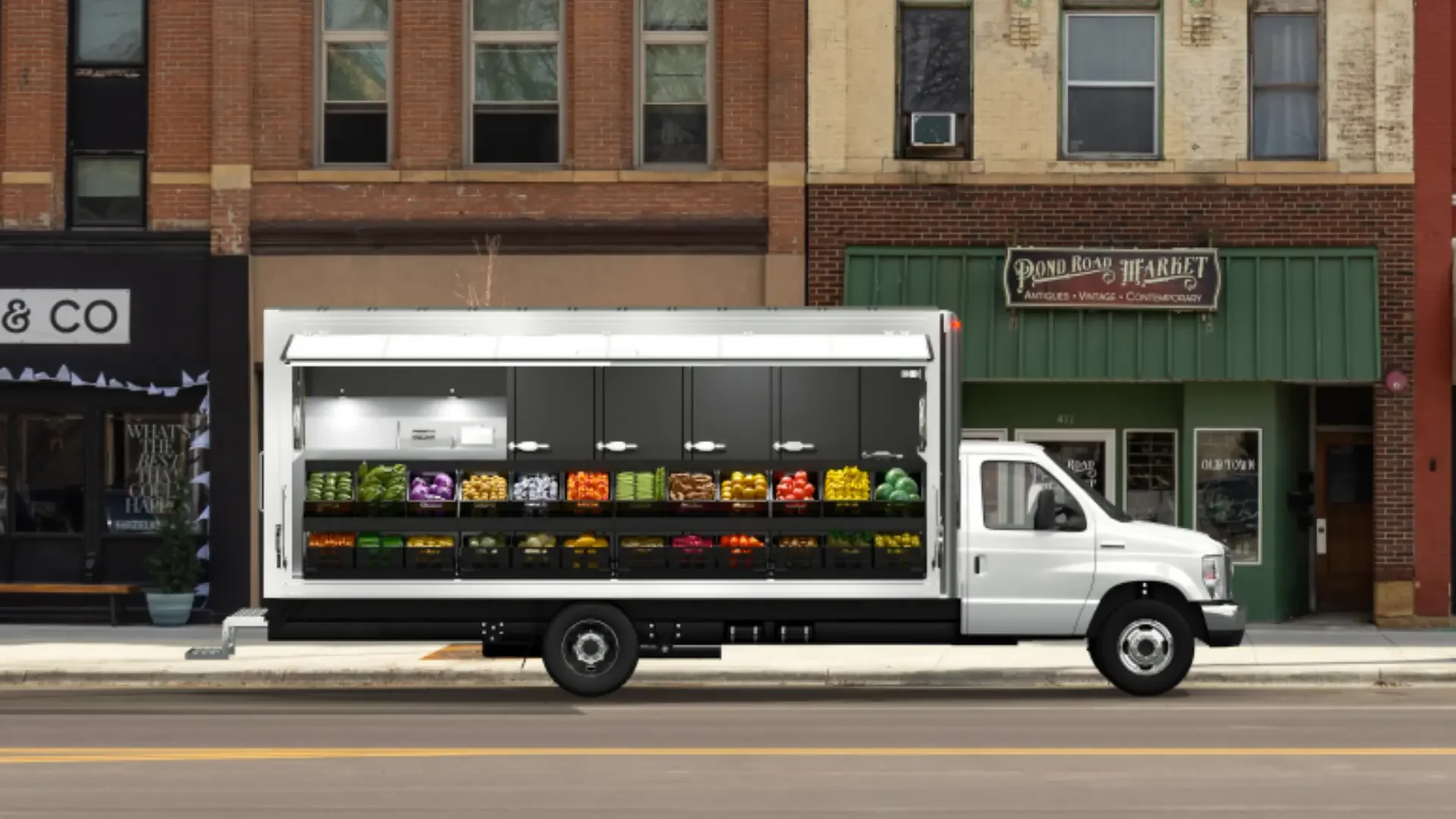
Produce prescriptions have emerged as a key mechanism for connecting healthcare with healthy food access. The concept is straightforward. Patients receive prescriptions for fruits and vegetables, redeemable at participating retailers or mobile markets, with costs covered by health systems, insurers, or grant programs.
The model has grown significantly over the past five years. Major pilots. Expanding payer interest. Growing evidence of effectiveness. Here's how it works in practice.
The Basic Model
A produce prescription program typically operates like this.
Patients are identified through clinical criteria. Often food insecurity screening combined with diet-related health conditions like diabetes, hypertension, or obesity. Some programs target high-risk populations broadly. Others focus on specific conditions.
Clinicians prescribe produce as part of the care plan. The prescription might specify a dollar amount per month (for example, $40/month for produce) or a quantity allocation. It's documented in the medical record like other prescriptions.
Patients redeem prescriptions at participating locations. This might be a grocery store, farmers market, or mobile grocery market. Mobile markets are particularly common partners because they serve the same food-insecure populations that produce Rx programs target.
Redemption is tracked and reported. Programs need data on participation rates, redemption amounts, and ideally correlation with health outcomes. Point-of-sale systems at redemption sites capture this information.
Who Pays for Produce Prescriptions
Funding comes from several sources, often in combination.
Health systems often fund programs as community benefit or population health investments. The costs are absorbed into hospital operating budgets, justified by expected downstream benefits in patient health and reduced utilization. For nonprofit hospitals, produce Rx programs contribute to community benefit requirements.
Government programs provide substantial funding. The USDA's Gus Schumacher Nutrition Incentive Program (GusNIP) specifically funds produce prescription projects, with millions allocated annually. State health departments, Medicaid innovation funds, and CDC chronic disease prevention grants also support programs.
Private insurers have begun covering produce prescriptions for high-risk members. Several Medicare Advantage plans now include produce benefits. Commercial insurers are exploring similar approaches, particularly for members with diabetes or other diet-sensitive conditions. This represents a significant shift. Payers are treating food as a covered benefit rather than a patient responsibility.
Philanthropy fills gaps, particularly for startup costs and programs serving populations not covered by other funding. Foundations interested in health equity, food access, and social determinants have funded produce Rx pilots.
Evidence of Effectiveness
Produce prescription programs have accumulated meaningful evidence.
Participation rates are strong when programs are designed well. Patients use the benefit, often at higher rates than other supplemental benefits, because food is a concrete, immediate need.
Dietary improvements are documented. Participants consistently report increased fruit and vegetable consumption compared to pre-program baselines and control groups. The produce actually gets eaten, not wasted.
Health marker improvements appear in multiple studies. Reductions in HbA1c (blood sugar control), blood pressure, and BMI have been documented, though effect sizes vary by program design and population.
Cost-effectiveness studies are emerging. Early analyses suggest produce Rx programs may reduce healthcare utilization for participating patients, potentially offsetting program costs. The evidence isn't definitive, but it's directionally positive.
Mobile Markets as Redemption Sites
Mobile grocery stores are natural partners for produce prescription programs.
Geographic alignment: Mobile markets serve the same food-desert communities where food-insecure patients live. Patients can redeem prescriptions without traveling to stores they couldn't otherwise reach.
Target population overlap: Mobile market customers already include high rates of SNAP users and food-insecure households. Adding produce Rx participants expands reach to patients who might not otherwise use the market.
Operational fit: Mobile markets already handle EBT transactions and various payment types. Adding produce Rx vouchers is operationally similar. Just another payment method processed through existing systems.
Tracking capability: Mobile markets can report redemption data to health system partners, closing the loop on whether prescriptions translate to actual produce access.
Implementation Considerations
For health systems considering produce prescriptions with mobile market partners.
Define the patient population clearly. Broad eligibility increases reach but dilutes impact measurement. Targeted programs (specific conditions, specific risk levels) allow clearer evaluation but reach fewer patients.
Establish data sharing agreements early. You'll want redemption data to correlate with clinical outcomes. Figure out data flows before launching.
Budget for program administration, not just produce. Someone needs to manage enrollment, track participation, troubleshoot issues, and report results. This overhead is real.
Start with realistic scale. A pilot with 100 to 200 patients generates learnings before you commit to a 2,000-patient program. Scale based on demonstrated success.
For more on hospital mobile market integration, see: Mobile Markets for Hospitals and Health Systems.
Below are examples of programs that have been able to implement this with some measurable outcomes
Open Hand Atlanta & VA (Georgia): Conducted a pilot across 14 small cohorts with a total of 170 participants from both rural and metropolitan areas.
CommuniCare+OLE (Texas): Uses a Produce Rx program where patients receive up to $70 monthly for fruits and vegetables, redeemable at mobile farmers' markets.
Wholesome Wave: This national leader has overseen programs across 22 sites that collectively served over 3,800 patients, but individual site pilots typically start with the smaller numbers you proposed.
Yolo County Pilot: Launched a program with 112 patients in its first year, specifically targeting those with prediabetes or diabetes.
