
Mobile Markets for Rural Grocers: Reaching Beyond Your Storefront
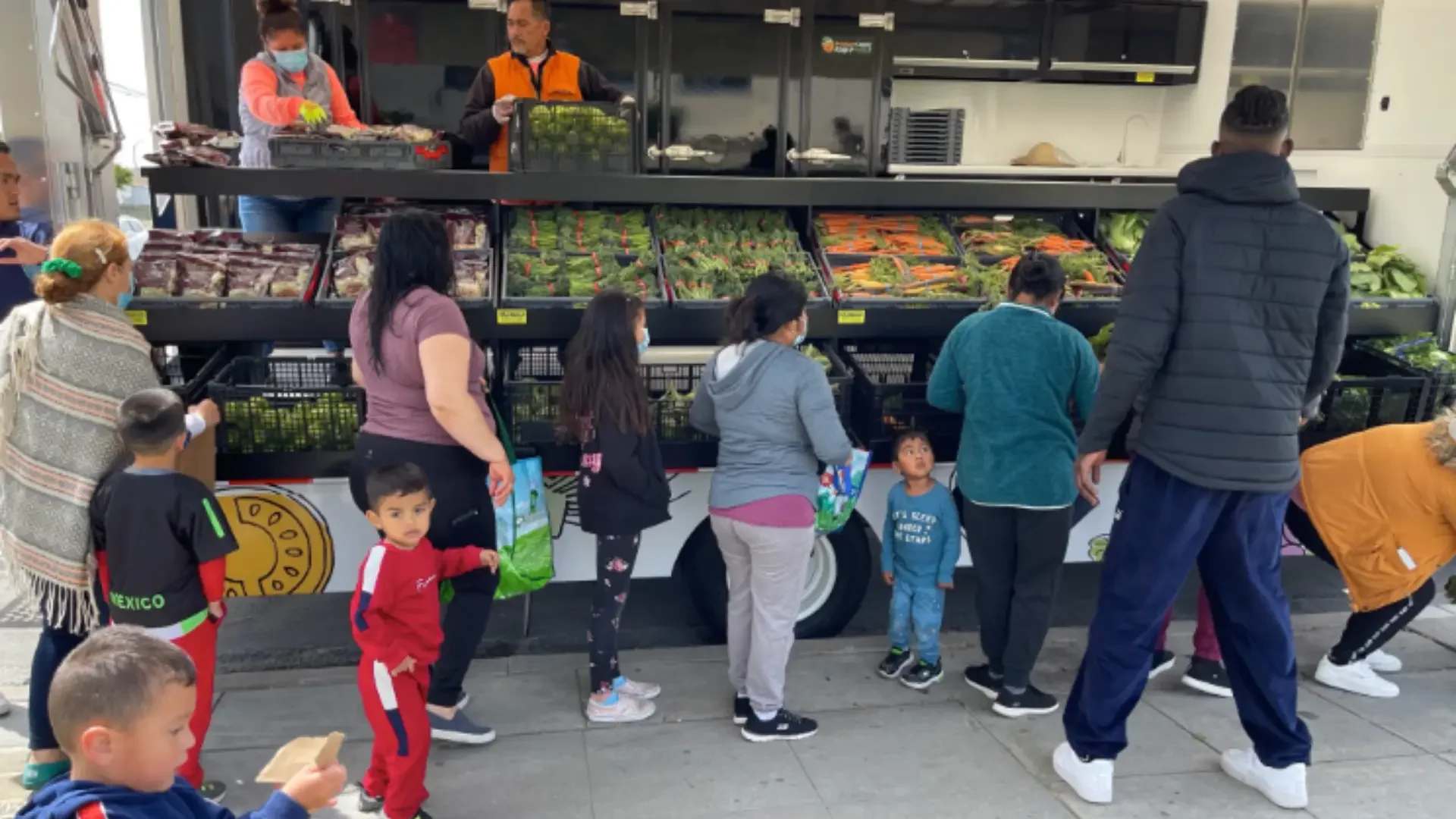
Rural grocers face a challenging environment. Population decline. Competition from distant supercenters. Thin margins. Survival is difficult. A mobile grocery store offers a way to extend reach into surrounding communities, serving customers who can't or won't make the trip to your store.
The Rural Grocery Challenge
Rural grocery stores operate under pressures that urban stores don't face.
Small customer bases limit sales volumes. A town of 2,000 people will likely generate less revenue than a single urban neighborhood.
Competition from regional centers draws customers away. Walmart, Costco, and regional supermarkets pull shoppers who make periodic trips to larger towns instead of shopping locally.
Limited product selection is both cause and effect. Small stores can't stock everything. Limited selection drives some customers to shop elsewhere when they can.
Fixed costs don't scale down. Rent, utilities, insurance, and minimum staffing create overhead that must be covered regardless of sales volume.
Many rural communities have unfortunately lost their grocers entirely. The economics simply didn't work.
How Mobile Markets Extend Reach
For a rural grocer with an existing store, a grocery truck offers a way to serve surrounding areas without building additional brick-and-mortar locations.
Reach smaller communities: Towns of 200 to 500 people can't support their own grocery store but might support a weekly mobile market stop. A route serving several small communities aggregates demand that justifies this service.
Serve isolated populations: Senior housing, agricultural worker communities, or residential areas far from your store can be reached by a mobile market. Distance that discourages store visits becomes manageable when the market comes to them.
Capture loyal customers: Customers who shop your mobile market develop relationships with your business. When they do travel to town, they're more likely to visit your store than competitors.
Test new markets: Before considering a second location (a major investment), a mobile market can be a way to test demand in potential areas. Customer response provides data for expansion decisions.
Operational Integration
The most effective rural grocer mobile markets integrate with existing store operations.
Shared inventory: Product for the mobile market comes from store inventory. This simplifies sourcing and reduces the risk of mobile-specific purchasing. Unsold mobile market product returns to store shelves.
Shared staffing: Store employees may staff the mobile market on rotation. This provides flexibility for hours and builds employee investment in both channels. Some staff may live near a mobile market stop, and be an incentive for them to occasionally work close to home.
Coordinated purchasing: Buying for both channels together maintains purchasing volumes and supplier relationships.
Consistent branding: The mobile market carries the store's brand, building recognition and trust across service areas.
Financial Considerations
Adding a mobile market involves costs and potential returns that rural grocers should evaluate carefully.
Vehicle investment: A suitable refrigerated food truck might cost $150,000 to $500,000 depending on size and features. This is significant capital for a rural operation but still far less than opening a brick-and-mortar location.
Operating costs: Fuel for rural routes, additional staffing time, and vehicle maintenance add ongoing expenses. A route covering 100+ miles weekly in fuel alone is not unusual.
Revenue potential: Rural stops often have lower customer counts than urban stops. But customers may spend more per visit if the alternative is a long drive. Average transactions of $25 to $40 are possible.
Incremental margin matters more than total revenue. If the mobile market generates $3,000 weekly in sales and 35% gross margin, that's roughly $1,000 in gross profit weekly. If operating costs are $600 weekly, the contribution is $400. Over a year, $20,000 in contribution helps.
Route Design for Rural Areas
Rural mobile market routes differ from urban ones.
Longer distances between stops: Plan for driving time and fuel costs that urban routes don't face.
Fewer stops per day: A rural route might serve 3 to 4 communities in a day versus 5 to 6 in an urban setting. Stops may be longer to justify the travel.
Weekly frequency is common: Most rural mobile markets visit each community once per week. Daily service rarely makes sense.
Coordination with local anchors: Stops at senior centers, community halls, churches, or employers concentrate customers and provide infrastructure (parking, restrooms, shelter).
Getting Started
For rural grocers considering mobile markets.
Start with the closest underserved areas. Communities within 30 to 45 minutes of your store are natural first targets.
Build community partnerships before launching. Local contacts who will promote the market and host stops improve the odds of success.
Start small and learn. Begin with one or two route days per week. Expand based on demonstrated demand.
Track economics carefully. Know your actual costs and revenues by route and stop. Data guides decisions about continuation and expansion.
For more on commercial mobile market approaches, see: The Mobile Grocery Store Model.
