
Building Community Trust Before Your First Stop
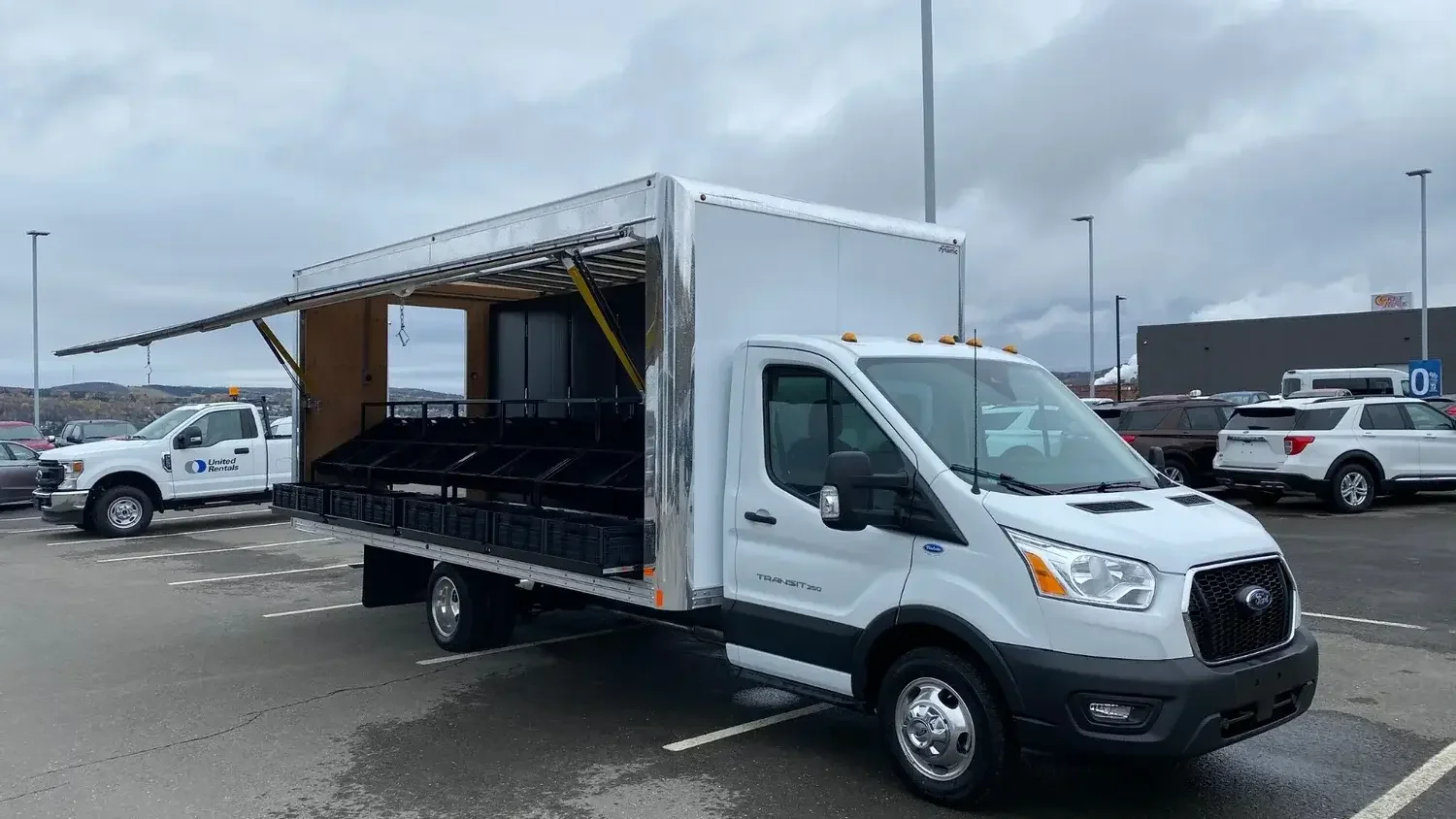
The most common mobile market mistake is launching without community relationships. A vehicle shows up, few customers appear, and the program struggles. Not because the community doesn't need fresh food access, but because trust hasn't been built yet.
Community trust must be earned before your first sale, not after.
Why Trust Matters
In underserved communities, new programs are often met with skepticism. Residents have seen initiatives come and go. They've experienced outsiders who didn't understand their needs or respect their perspectives. A mobile grocery store with no community relationships looks like another well-meaning intervention that won't last.
Trust determines whether people try your market, whether they return, and whether they tell their neighbors. Without it, you're starting from zero at every stop. With it, word-of-mouth builds your customer base.
Trust also affects what you learn. Community members who trust you will tell you what's working and what isn't. They'll share feedback that helps you improve. Without trust, you're operating blind.
Start with Listening, Not Pitching
The instinct is to show up and explain your program. How great it will be. How much it will help. Resist this. Start by listening.
Meet with community leaders, resident councils, neighborhood organizations, church leaders, and local nonprofits. Ask questions: What does food access look like in this community? What have people tried before? What worked and what didn't? What would make a mobile market useful here?
These conversations accomplish several things. You learn about the community from people who know it. You show respect by asking rather than assuming. You begin building relationships with people who can help promote your program when it launches.
Document what you hear. The insights should shape your program design. Stop locations. Schedules. Products. Pricing.
Find Community Champions
Every successful stop has at least one community champion. A trusted person who promotes the market, encourages participation, and serves as a bridge between your organization and the community.
Champions might be property managers, resident association leaders, church volunteers, community health workers, or simply well-connected neighbors. They believe in what you're doing and are willing to vouch for you.
Invest in these relationships. Keep champions informed. Ask for their input. Acknowledge their contributions. A strong champion can turn a struggling stop into a thriving one.
Be Present Before Launching
Show up in the community before your market does. Attend community events. Visit partner organizations. Introduce yourself and your program to residents casually before asking them to be customers.
This presence demonstrates commitment. It signals that you're not just parachuting in but actually engaging with the community. It also provides organic opportunities for promotion.
If possible, involve community members in your planning. Advisory input on products, pricing, or scheduling creates ownership. People support programs they helped shape.
Communicate Consistently
Leading up to launch, communicate consistently through channels that reach your target population.
Flyers and posters in community spaces (laundry rooms, community centers, church bulletin boards, clinic waiting rooms) reach people who may not use social media.
Door-to-door outreach in residential areas builds awareness and provides personal invitation. It's labor-intensive but effective.
Partner communications leverage existing trust. When a property manager or church leader promotes your market, they're lending you their credibility.
Be clear and consistent about when and where you'll be. The message should be simple: what the mobile produce market offers, when and where to find it, and that everyone is welcome.
Set Expectations Appropriately
Don't overpromise. If you're not sure you can stock a specific product, don't commit to it. If your schedule might change as you learn, say that. Broken promises damage trust faster than honest limitations.
Also set expectations about what the market is and isn't. It's a convenient source of fresh groceries, not a full supermarket. It accepts SNAP/EBT, but limits may apply. The goal is to be helpful, not to be everything.
Communities appreciate honesty. They've been oversold before. Under-promise and over-deliver builds more trust than the reverse.
The First Few Months
Trust-building continues after launch. The first few months are a trial period where the community evaluates whether you're for real.
Show up consistently. Nothing builds trust like reliability. If you said you'd be there Thursday at 2pm, be there Thursday at 2pm. Every time.
Be responsive to feedback. If customers ask for specific products, try to stock them. If something isn't working, adjust visibly.
Acknowledge mistakes. If you miss a stop or have quality issues, apologize directly and explain what you're doing to prevent recurrence. Accountability builds trust.
The goal is to transition from 'new program that might not last' to 'part of how things work here.' That transition takes months of consistent presence and genuine engagement.
For more on starting a mobile market, see: How to Start a Mobile Market Program.
Planning a mobile market?
Get the year-one budget worksheet we use with every new operator. Vehicle, equipment, staffing, produce, insurance, contingency. Opens as a Google Sheet you can copy and edit.
Built from 60+ programs launched in 26 states.
