
Mobile Market Permits and Licensing: A State-by-State Overview
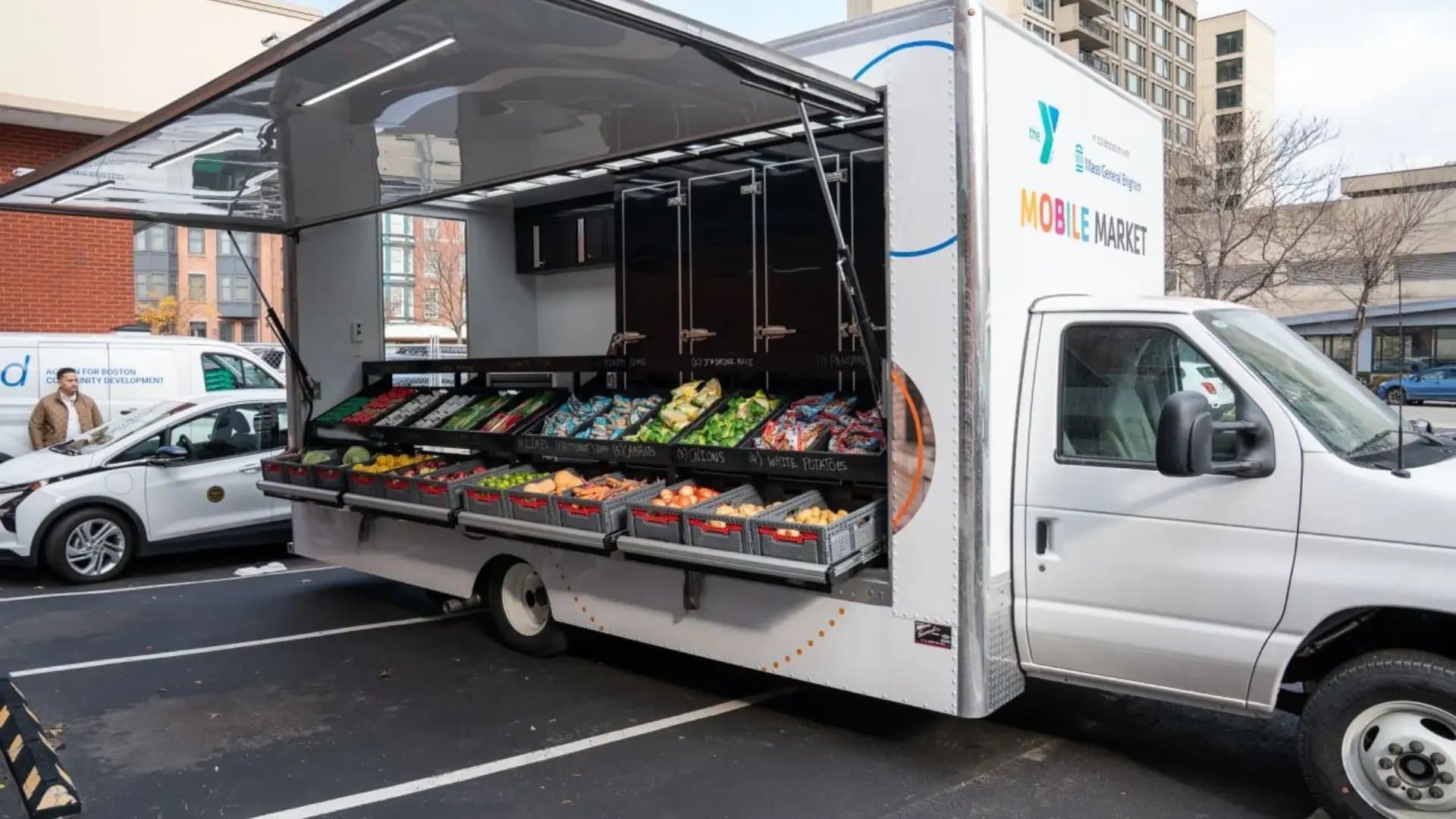
Regulatory requirements for mobile markets vary significantly by state, county, and municipality. What's straightforward in one jurisdiction may require extensive permitting in another. Understanding your local requirements early prevents costly delays.
Types of Permits Typically Required
Mobile market operations commonly require some combination of these permits.
Mobile food vendor license or mobile retail food permit authorizes selling food from a vehicle. Requirements, fees, and renewal periods vary by jurisdiction. Some jurisdictions distinguish between mobile markets (selling groceries) and mobile food units (selling prepared food). Make sure you're applying for the right category.
Health department permits ensure compliance with food safety regulations. This typically involves inspection of your vehicle, review of your food handling procedures, and sometimes food handler certification for staff. Requirements may be annual or more frequent.
Business license or registration is standard for any commercial operation. Even nonprofit mobile grocery stores typically need to register as doing business in jurisdictions where they operate.
Vehicle registration and inspection ensures your vehicle meets road safety standards. Commercial vehicles may have additional requirements beyond standard registration.
A sales tax permit is required if you're collecting sales tax on transactions. Rules vary by state. Some exempt food sales. Others don't.
Where Requirements Come From
You may need permits from multiple levels of government.
State level: Food safety regulations, vehicle requirements, and sometimes mobile vendor frameworks are set at the state level. Start here to understand the baseline.
County level: Health department permits often operate at the county level. If you serve multiple counties, you may need permits from each, though some have reciprocity agreements.
Municipal level: Cities may have their own business license requirements, mobile vending regulations, and specific rules about where mobile vendors can operate. If you're stopping in multiple cities, check each.
The interaction between these levels can be complex. A state permit doesn't necessarily exempt you from local requirements.
Common Regulatory Challenges
Several issues frequently complicate mobile market permitting.
Classification confusion: Regulations written for food trucks may not fit mobile markets well. You may need to explain your operation to regulators unfamiliar with the mobile market model. You're selling groceries, not preparing meals.
Multi-jurisdictional operations: If your routes cross county or municipal lines, you may face multiple permit requirements. Research all relevant jurisdictions before planning routes.
Location-specific rules: Some jurisdictions restrict where mobile vendors can operate. Distance from schools. Proximity to established businesses. Time limits in public areas. Your planned stop locations need to comply.
Commissary requirements: Some jurisdictions require mobile food operations to be based at a licensed commissary kitchen. This may or may not apply to mobile markets selling only uncut produce and packaged goods. Clarify before assuming you're exempt.
SNAP/EBT Authorization
SNAP retailer authorization is federal, not state or local, but it's essential for serving food-insecure populations.
Apply through USDA's Food and Nutrition Service. The process takes 4 to 8 weeks typically. You'll need to demonstrate that your operation sells qualifying food items across multiple categories.
Start the SNAP authorization process early. It's often the longest lead-time requirement for new programs.
Research Process
For any new mobile market operation.
Step 1: Contact your state's agriculture department or health department to understand state-level food retail requirements.
Step 2: Contact county health departments for all counties where you'll operate to learn permit requirements and inspection processes.
Step 3: Contact city or municipal offices for all cities where you'll have stops to understand local business license and mobile vending rules.
Step 4: Begin SNAP authorization application through USDA.
Step 5: Confirm specific location requirements with property owners or managers where you plan to stop.
Document everything. Requirements may be communicated verbally, but you'll want written confirmation.
Timeline Considerations
Permit acquisition takes time. Typically 2 to 4 months for a complete set of approvals. Sometimes longer.
Health inspections may require scheduling weeks out. SNAP authorization takes 4 to 8 weeks after application. Local business licenses may have processing delays.
Build this timeline into your launch planning. Starting permit applications 4 to 6 months before planned launch is prudent. Rushing permits often isn't possible.
Ongoing Compliance
Permits aren't one-time tasks. Most require annual renewal, ongoing compliance with conditions, and periodic reinspection.
Build compliance tracking into your operations. Know when permits expire and what renewal processes require. Stay current with regulatory changes that might affect your operations.
A compliance lapse can force you to stop operating, damaging community trust you've worked to build.
For more on starting a mobile market, see: How to Start a Mobile Market Program.
