
Insurance and Liability for Mobile Markets: What You Need
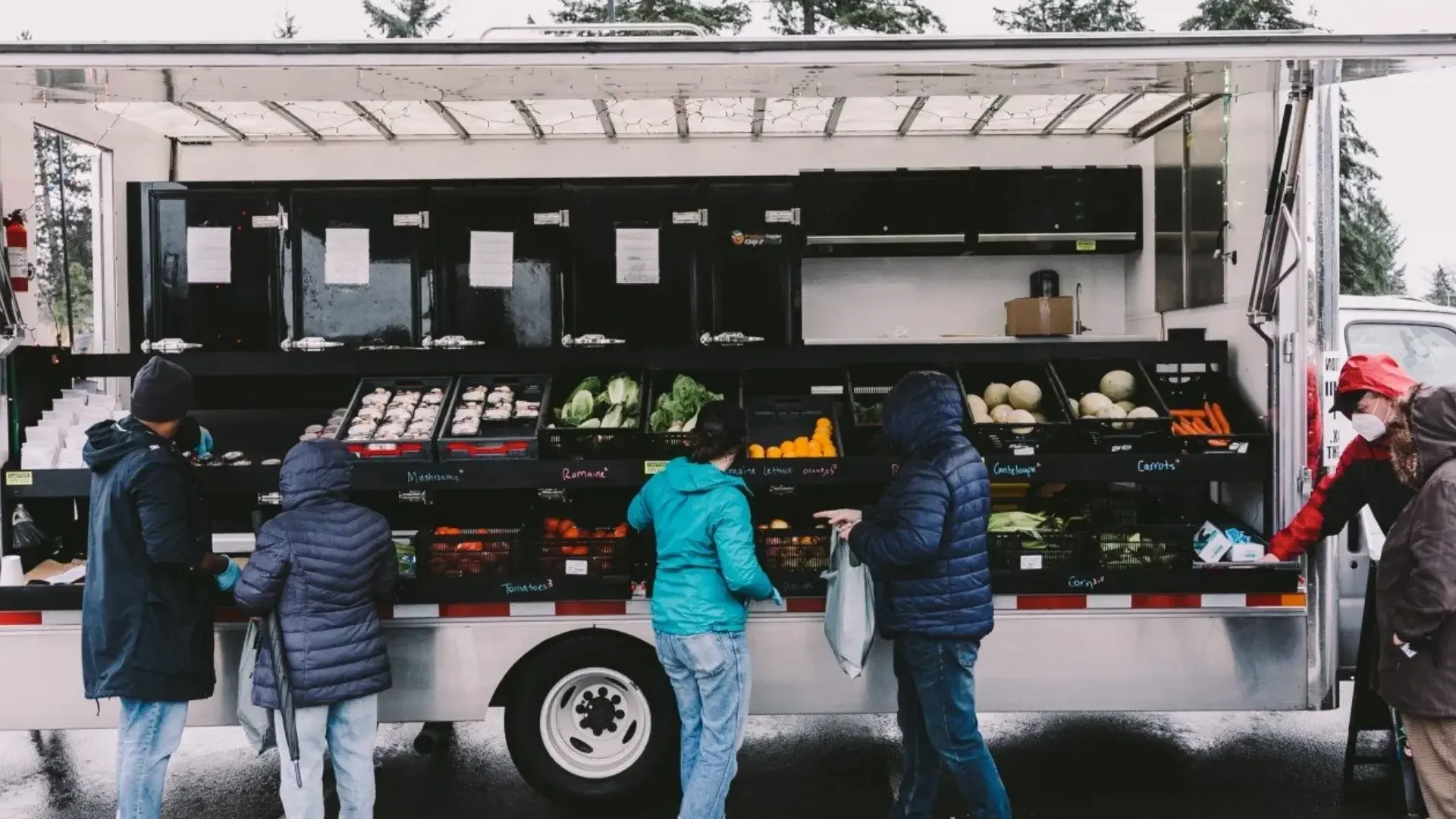
Insurance isn't the most exciting aspect of starting a mobile market, but it's essential. Operating without adequate coverage creates organizational risk that could threaten your entire program and your parent organization.
Here's what you need to know.
Required Coverage Types
Most mobile grocery stores need several types of insurance.
Commercial auto insurance covers the vehicle itself and liability from driving. Personal auto insurance doesn't cover vehicles used for business purposes. You need commercial coverage. This includes liability for accidents, collision coverage for the vehicle, and comprehensive coverage for theft or damage.
General liability insurance covers injuries or property damage that occur during your operations. A customer who slips at your market. Product displays that damage a partner's property. Most locations will require proof of general liability before allowing you to operate on their property.
Product liability insurance covers claims arising from the food you sell. If a customer gets sick and claims it's from your produce, this coverage applies. While the risk is relatively low for fresh produce compared to prepared foods, coverage is prudent.
Workers' compensation insurance covers employee injuries on the job. Mobile market work involves physical activity, vehicle operation, and potential hazards. Requirements vary by state, but most programs with paid employees need workers' comp.
Umbrella or excess liability provides additional coverage beyond the limits of your underlying policies. For organizations with significant assets to protect, umbrella coverage is worth considering.
Coverage Amounts
Typical coverage amounts for mobile market operations.
Commercial auto: $1 million combined single limit is standard. Higher limits may be appropriate for larger vehicles or programs with more exposure.
General liability: $1 million per occurrence / $2 million aggregate is common. Location partners may require specific limits. Check before finalizing coverage.
Product liability: $1 million is typical and often included in or combined with general liability coverage.
Workers' compensation: Coverage amounts are determined by state requirements and your payroll.
These are general guidelines. Your specific situation (vehicle size, number of stops, sales volume, employee count) affects appropriate coverage levels.
Working with Insurers
Finding insurance for mobile food operations can be more complex than standard coverage.
Work with a broker experienced in mobile food or retail food operations. General business insurance agents may not understand mobile markets and may quote inappropriate or overpriced coverage.
Be prepared to explain your operation in detail: what you sell, how you operate, where you stop, your safety procedures. Insurers unfamiliar with mobile markets may assume you're a food truck (different risk profile) or miss aspects of your operation.
Ask about package policies. Some insurers offer combined coverage for commercial auto, general liability, and product liability. Bundled policies may be more cost-effective than piecing together separate coverages.
Expect costs in the range of $8,000 to $15,000 annually for a comprehensive insurance package, though this varies significantly by location, vehicle type, and program scale.
Risk Management Beyond Insurance
Insurance is the backstop. Risk management prevents problems in the first place.
Food safety protocols reduce product liability risk. Temperature monitoring, proper handling, inventory rotation, and staff training prevent the conditions that lead to foodborne illness.
Safe driving practices reduce auto liability exposure. Driver screening, vehicle maintenance, and operational procedures matter.
Slip-and-fall prevention at market locations reduces general liability claims. Keep areas clear. Manage wet conditions. Use caution signage.
Documentation protects you if claims arise. Incident reports, temperature logs, maintenance records, and training documentation provide evidence of proper procedures.
Coverage for Specific Situations
A few situations deserve particular attention.
Volunteers: If you use volunteers, confirm that your general liability covers their activities. Some policies exclude volunteers or require specific endorsements.
Partner locations: Location partners may require you to add them as additional insureds on your policy. This is standard and usually easy to arrange.
Leased or borrowed vehicles: If you don't own your vehicle, clarify who provides insurance. The owner or your organization. Gaps here create serious exposure.
Special events: Market participation at festivals or special events may have different insurance requirements. Check with event organizers.
What Can Go Wrong
Common insurance-related mistakes in mobile market operations.
Operating uninsured or underinsured because coverage seems expensive. One significant claim can exceed what you would have paid in premiums for years.
Assuming personal or organizational insurance covers the mobile market. It probably doesn't without specific provisions.
Not reading policy exclusions. Some policies exclude specific activities or circumstances. Know what's not covered.
Failing to update coverage as operations change. If you add vehicles, expand stops, or increase staff, your coverage needs may change.
For more on starting a mobile market, see: How to Start a Mobile Market Program.
