
Case Study: How Halifax Health Built a Clinical Mobile Market Program
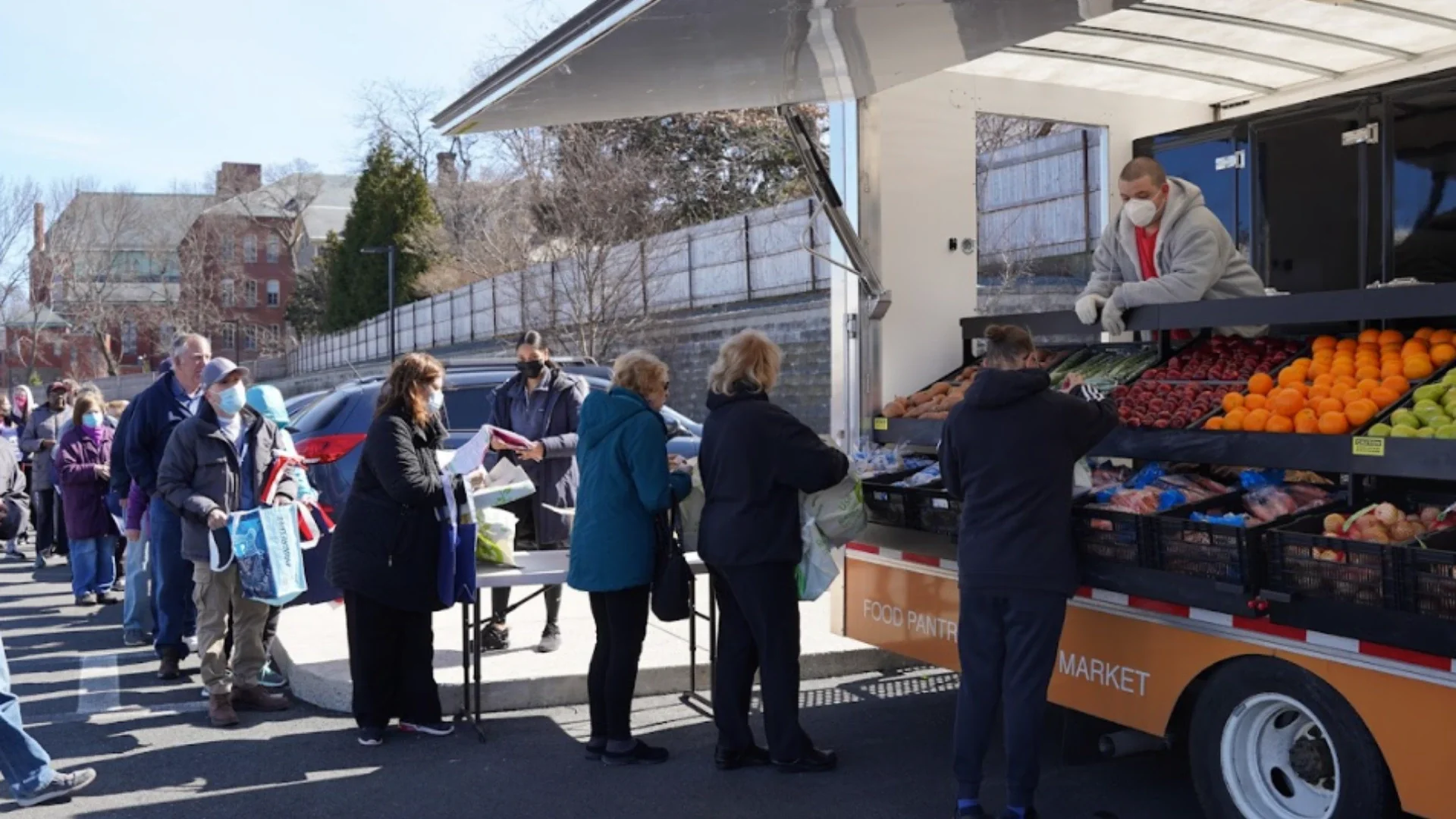
Halifax Health in Volusia County, Florida, provides a useful example of a health system that integrated mobile market operations with clinical care. Their approach, intentionally linking food access to patient health management, offers lessons for other systems considering similar programs.
The Context
Volusia County presents a mix of urban, suburban, and rural communities along Florida's east coast. Like many Florida counties, it has significant food access challenges. Rural areas far from grocery stores. Low-income neighborhoods where supermarkets have closed. Senior populations with mobility limitations.
Halifax Health, as the region's major health system, sees these challenges reflected in their patient population. Diet-related chronic conditions are common. Food insecurity screening identifies significant numbers of patients who struggle to access healthy food. The connection between poor food access and poor health outcomes was clear.
The Design Decision
Rather than treating food access as a social services problem outside healthcare's scope, Halifax Health chose to address it directly. The mobile grocery market became a clinical resource. Part of the care delivery system, not just a community benefit initiative.
This framing shaped program design. The mobile market wasn't positioned as charity or outreach. It was positioned as healthcare infrastructure that happens to deliver produce instead of prescriptions.
Integration with Clinical Workflows
The program's distinguishing feature is integration with clinical care.
Food insecurity screening identifies patients who could benefit from the mobile market. When screenings are positive, clinical staff provide information about market schedules and locations. Not as a referral to an external resource. As an offering from the health system itself.
Some patients receive produce prescription vouchers that subsidize their purchases. This addresses the affordability barrier alongside the access barrier, ensuring that patients identified as food-insecure can actually use the resource.
Market stops include healthcare facilities. Hospital campuses. Clinic sites. Places patients already go for care. Shopping at the mobile market can happen as part of an existing healthcare visit, reducing friction.
Operational Approach
Halifax Health's mobile market operates on a consistent schedule, visiting the same locations at the same times each week. This predictability allows patients to plan around the market and builds trust that comes from reliability.
Product selection emphasizes fresh produce and healthy staples appropriate for patients managing chronic conditions. This isn't a general grocery store. It's curated for a population dealing with diabetes, hypertension, and similar diet-sensitive conditions.
SNAP/EBT acceptance ensures that low-income patients can use their existing food benefits at the market. Combined with produce prescription vouchers, this means most financial barriers are addressed.
Outcomes and Learnings
The program tracks participation and, where possible, correlates it with health metrics.
Utilization has been solid. Patients identified through clinical channels actually use the market, suggesting the integration approach works. The market isn't sitting empty waiting for customers. The clinical pipeline provides consistent traffic.
Patient feedback has been positive, both on food quality and on the experience of accessing groceries through their health system. The program reinforces the sense that Halifax Health cares about whole-person health, not just acute medical needs.
Challenges have included the operational complexity of running what amounts to a retail food business within a healthcare organization. Healthcare systems aren't natural grocery operators. Building this capacity required learning and adaptation.
Lessons for Other Systems
Several aspects of the Halifax Health approach merit attention.
Clinical integration matters more than scale. A smaller program with strong clinical connections outperforms a larger program that operates disconnected from care delivery.
Position it as healthcare, not charity. Framing affects both patient participation and organizational commitment. When the mobile market is part of care delivery, it gets treated accordingly.
Meet patients where they already go. Stops at healthcare facilities and in patient neighborhoods reduce the barriers that make other food resources inaccessible.
Track outcomes to demonstrate value. Data connecting participation to health metrics builds the case for sustained investment.
Replicability
The Halifax Health model isn't unique to Volusia County. The approach, clinical integration, consistent operations, intentional targeting, can work in other systems serving communities with food access challenges.
The specific implementation depends on local factors: community geography, patient population, existing food resources, organizational capacity. But the principles transfer. Health systems serious about addressing food insecurity can learn from what's worked in Florida.
For more on hospital mobile market programs, see: Mobile Markets for Hospitals and Health Systems.
Planning a mobile market?
Get the year-one budget worksheet we use with every new operator. Vehicle, equipment, staffing, produce, insurance, contingency. Opens as a Google Sheet you can copy and edit.
Built from 60+ programs launched in 26 states.
