
Funding Mobile Markets at Scale: A Guide for Funders and Sponsors
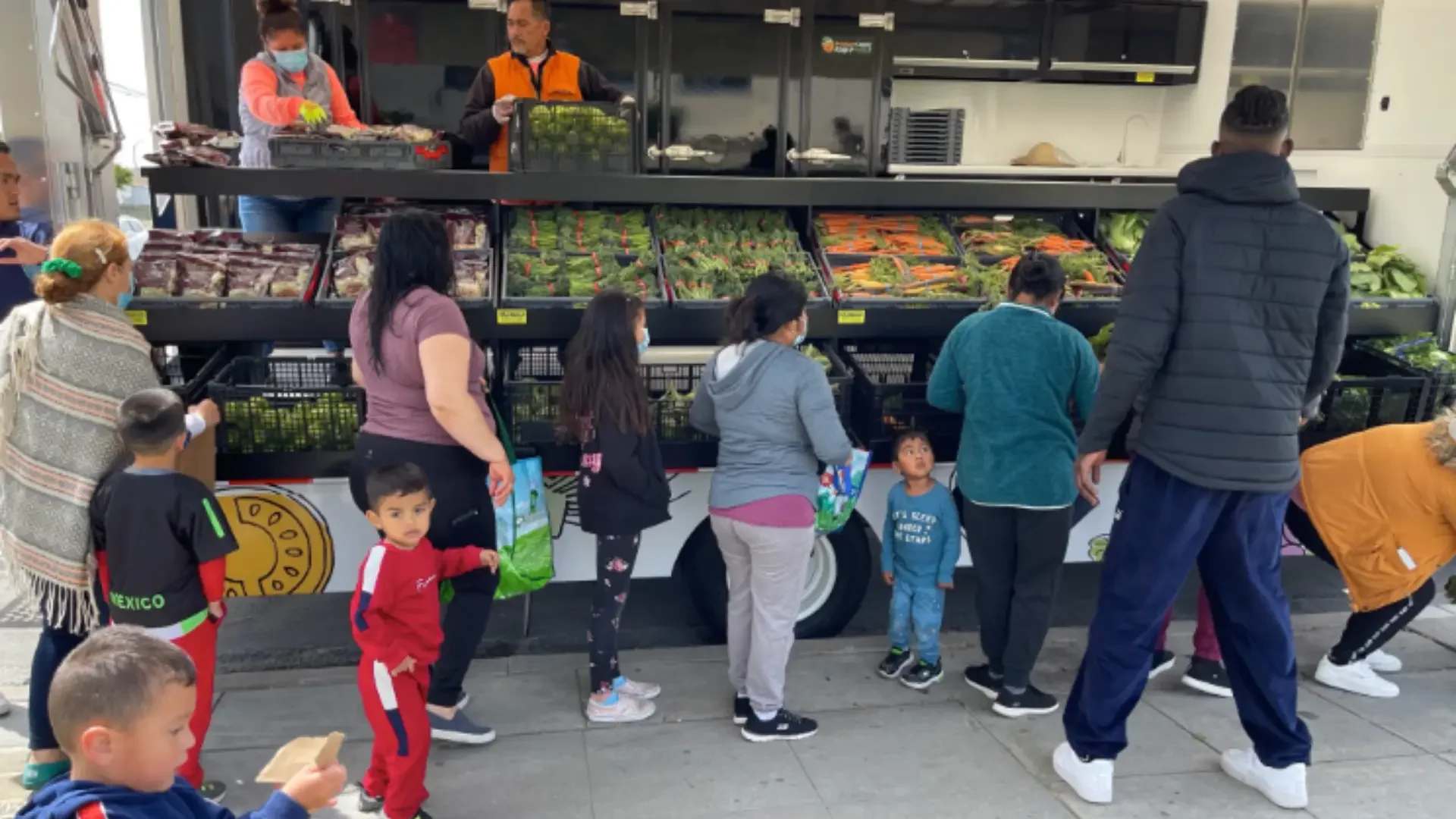
Mobile markets have moved from novelty to established intervention. Funders focused on food access, health equity, and community development increasingly see mobile market proposals. The question is how to evaluate them.
This guide is for foundations, health systems, corporate sponsors, and government program officers considering mobile market investments. It covers what makes programs worth funding, how to evaluate proposals, what funding models work, and how to think about sustainability and scale.
Why Mobile Markets Deserve Funding Attention
Mobile markets address a specific, documented problem. In communities where grocery stores are scarce, residents face real barriers to accessing healthy food. This affects health outcomes, particularly for chronic diet-related conditions. It affects household budgets and quality of life.
Mobile markets bring food directly to underserved areas. Unlike building a grocery store, which requires favorable economics and long-term market viability, mobile markets can serve communities that will likely never attract traditional retail investment.
Policy alignment is strong. Health funders see mobile markets as food access interventions addressing social determinants of health. Community development funders see economic activity and food system infrastructure. Government programs see responses to food desert mapping. This cross-cutting relevance means mobile markets fit multiple funding frameworks.
Cost comparisons often favor mobile markets. A vehicle costs $150,000 to $500,000 and can serve multiple communities. A small grocery store costs $1 to $5 million and serves one location.
What Funders Should Look For
Not all programs merit equal support.
Clear problem definition matters. Strong proposals identify specific areas with documented food access gaps, explain why those gaps exist, and show how a mobile market addresses them. Weak proposals speak generally about food insecurity without demonstrating how access is actually the barrier.
Community relationships indicate likely success. Programs with existing partnerships in target areas are better positioned than those planning to build relationships after launch.
Organizational capacity for mobile market operations differs from capacity for other work. Look for logistics capability, food handling experience, and operational management skills.
Sustainability planning should be evident from the start. How will the program sustain operations after initial grant funding ends? Programs without diversification strategies are a higher risk.
Red flags include vague community definitions, absence of existing relationships, unrealistic projections, and no sustainability plan beyond seeking more grants.
Funding Models That Work
Several mechanisms support mobile markets, often combined.
Foundation grants remain the most common source for startup costs. Grants focused on health, food access, community development, and social determinants all apply. The challenge is sustainability. Grants typically cover one to three years while mobile markets need ongoing support.
Health system partnerships have grown significantly. Hospitals fund mobile markets as community benefit or food as medicine initiatives. These partnerships can provide more stable, longer-term funding, especially when programs integrate with clinical care.
Government funding flows through USDA programs, CDC grants, state health departments, and community development funds. Requirements and timelines vary, but substantial multi-year support is possible.
Corporate sponsorship works for visible programs that align with company goals. Sponsors may fund vehicles, support specific stops, or provide general operating support. Expectations around marketing involvement vary.
Hybrid models combining sources tend to be most sustainable. Foundation startup funding plus health system operations support plus earned revenue creates stability that single-source funding lacks.
Measuring Impact
Funders reasonably want to understand results. Expectations should be realistic.
Operational metrics are straightforward: stops operated, customers served, produce distributed, SNAP transactions processed. These show reach and utilization.
Outcome metrics require customer surveys or tracking. Improved food access, increased produce consumption, changes in food security status. These cost more to measure but connect program activity to participant effects.
Health outcome metrics are meaningful but hardest to capture. Programs partnered with health systems can sometimes correlate participation with clinical data. This requires data sharing agreements and research infrastructure.
What's difficult: isolating mobile market contribution from other factors, measuring long-term outcomes that take years to manifest, comparing cost-effectiveness across different interventions.
Avoid vanity metrics that look impressive but don't indicate real impact. Total pounds distributed says nothing about whether food reached people who needed it, or whether that food was healthy.
The Sustainability Challenge
The most common failure is that funding that runs out. Programs launch successfully, serve communities effectively, then close when grants expire.
This reflects the structural reality of many programs. Most mission-driven mobile markets can't sustain their operations on sales alone. They serve low-income populations with subsidized pricing. The math requires external support.
Funders can address this several ways. Fund with sustainability in mind, supporting capacity for diversified revenue alongside program operations. Provide multi-year commitments giving programs time to build alternative streams. Coordinate with other funders to avoid cliff effects. Invest in infrastructure that outlasts individual grant periods.
Programs likely to achieve sustainability share common traits: diversified funding across multiple sources, integration with health systems or municipalities providing stable support, earned revenue from customers who can afford full prices, and embeddedness in community infrastructure.
Common Funding Mistakes
Funding vehicles without operations is the classic error. A funder provides $250,000 for a truck. The recipient acquires it. Then they discover they can't afford to run it. Fund vehicles only when operating funding exists.
Short time horizons undermine development. Mobile markets take months to build customer trust and refine operations. One-year grants set programs up to fail just as they're gaining traction.
Unrealistic self-sufficiency expectations lead to disappointment. Mission-driven mobile markets serving low-income areas rarely become self-sustaining. Expecting otherwise either defunds viable programs or pushes them away from their mission.
Overlooking capacity prioritizes good ideas over ability to execute. Assess organizational capability alongside mission alignment.
Scaling Mobile Markets
For funders interested in broader impact, scale questions matter.
Scaling within organizations means adding vehicles and routes to existing programs. Successful programs expand their footprint. Funders can support growth capital and operational resources.
Scaling through networks means connecting independent operators to share knowledge and best practices. This accelerates learning across the field.
Scaling through replication means helping new organizations launch based on proven models. This requires technical assistance and ongoing support, not just funding.
The realistic view: mobile markets won't become dominant in food distribution. They're valuable for specific situations and use cases. Scaling should aim for appropriate coverage of areas where mobile markets are a fit, not for universal adoption.
For Funders Exploring This Space
Start with the landscape in your priority areas. What programs exist? What gaps remain? What organizations have the capacity to operate effectively?
We've worked with funders, health systems, and program officers to understand mobile market opportunities and evaluate proposals. If you're navigating this space, we're happy to share what we've learned about what works and what doesn't across the programs we've supported.
