
Food as Medicine: What It Means for Health System Strategy
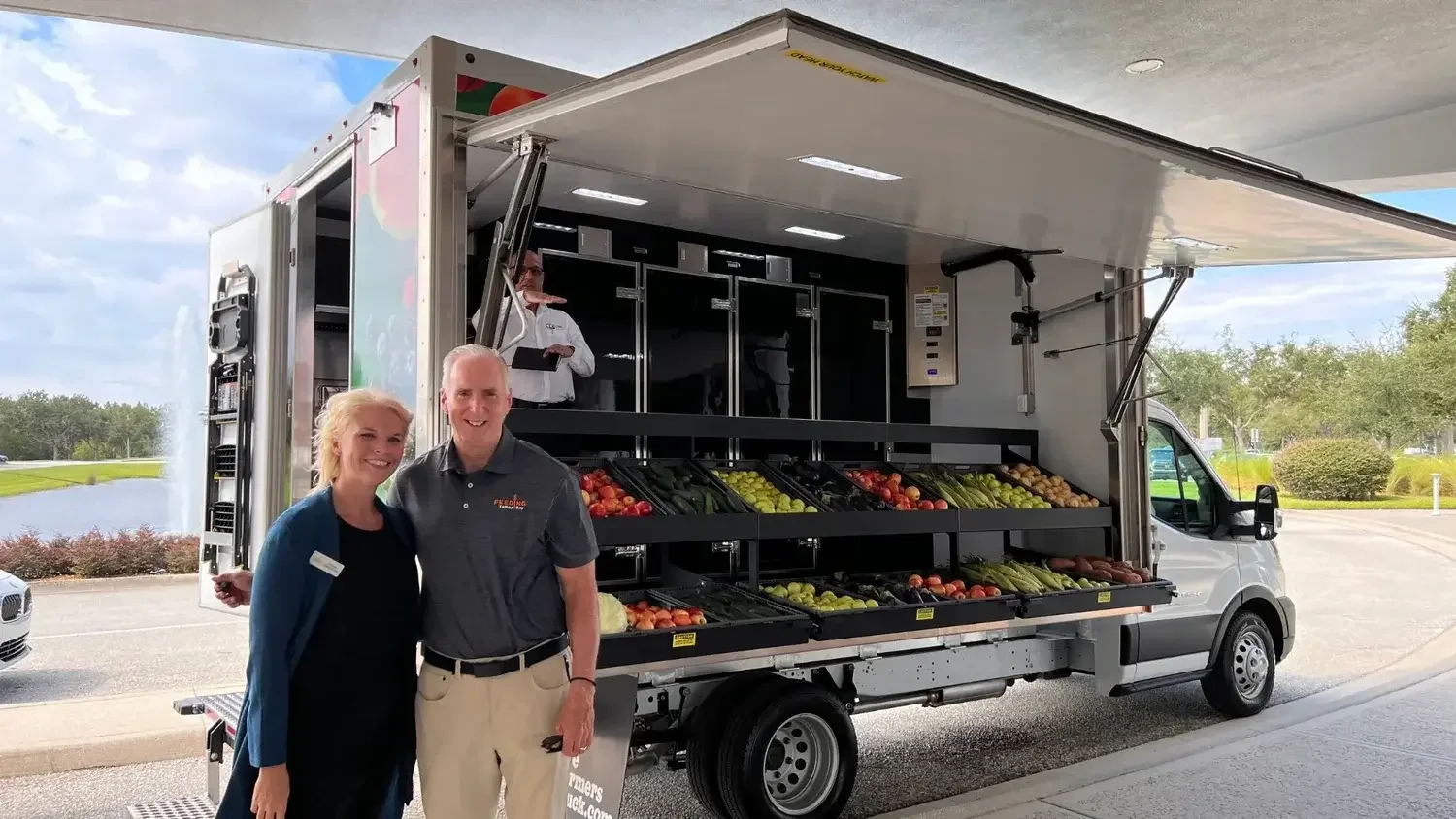
The phrase 'food as medicine' has moved from academic conferences to boardroom conversations. Health systems increasingly recognize that food access and nutrition affect health outcomes in ways that can't be ignored.
But what does this mean practically? And where do mobile markets fit?
The Core Argument
The food-as-medicine framework rests on established evidence. Diet significantly influences health outcomes, particularly for chronic conditions like diabetes, cardiovascular disease, and obesity. Poor diet contributes to disease development. Improved diet supports disease management and sometimes reversal.
For populations with limited food access, in food deserts, in food-insecure households, the problem compounds. It's not just that people make poor dietary choices. It's that healthy options aren't available or affordable. You can't eat food you can't access.
The logical conclusion: if diet affects health, and healthcare systems exist to improve health, then healthcare systems have reason to address food access. This isn't mission creep. It's recognizing that health outcomes depend on factors beyond traditional clinical intervention.
What's Driving Health System Interest
Several trends are pushing health systems toward food-as-medicine initiatives.
Value-based care creates financial incentives for keeping populations healthy. When hospitals bear risk for patient outcomes through Medicare Advantage, ACO arrangements, or other value-based contracts, preventing disease becomes as important as treating it. Food access interventions that prevent complications can be financially rational.
Social determinants awareness has grown. The healthcare industry increasingly recognizes that clinical care accounts for only a portion of health outcomes. Social and environmental factors, including food access, matter enormously. Addressing these factors is no longer seen as outside healthcare's scope.
Evidence has accumulated. Food prescription programs, medically tailored meals, and produce access interventions have generated research showing positive health outcomes. This evidence makes it easier to justify investment and pilot programs.
Payer interest is emerging. Some insurers now cover food benefits for high-risk members. When payers are willing to pay for food interventions, provider organizations have clearer pathways to implementation.
Where Mobile Markets Fit
Mobile grocery stores are one intervention within the broader food-as-medicine landscape. They address the access component of the problem: getting healthy food to people who can't easily obtain it otherwise.
Mobile markets don't replace clinical nutrition care. Dietitian counseling. Meal planning. Patient education. They complement it by ensuring patients have access to the foods those clinical programs recommend.
The integration looks like this: a patient with diabetes receives clinical guidance on dietary management. They're screened for food insecurity and identified as lacking consistent access to fresh produce. They receive information about the mobile market schedule and potentially produce prescription vouchers. They shop at the mobile market, obtaining the fruits and vegetables that support their dietary management. The clinical recommendation becomes actionable.
Without the mobile market (or similar access intervention), the clinical guidance runs into a wall. 'Eat more vegetables' is meaningless advice for someone who can't get vegetables.
Strategic Considerations
For health systems developing food-as-medicine strategy, several considerations apply.
Start with the problem, not the solution. Mobile markets make sense where food access is the barrier. If patients have grocery access but lack nutrition knowledge or cooking skills, other interventions may be more appropriate.
Integrate with clinical care rather than operating in parallel. The value of food-as-medicine comes from connection to health management. Standalone food programs without clinical integration are community benefit. Integrated programs are healthcare.
Measure outcomes that matter. Process metrics (customers served, produce distributed) are necessary but not sufficient. Track health outcomes where possible to demonstrate that food access actually improves health.
Build for sustainability. Pilot programs generate learning. Sustained programs generate impact. Plan for ongoing funding and operations from the start.
The Broader Landscape
Mobile markets are one tool among several. Other food-as-medicine interventions include produce prescriptions (usable at various retailers), medically tailored meals (prepared food for patients with specific conditions), nutrition counseling (clinical guidance on diet), and hospital-based food pharmacies (onsite food distribution).
The right mix depends on patient population, community resources, and organizational capacity. Some systems do multiple interventions. Others focus on one. There's no single correct approach.
What matters is that health systems take food access seriously as a health determinant. And take action rather than just acknowledging the problem.
For more on hospital mobile market implementation, see: Mobile Markets for Hospitals and Health Systems.
Planning a mobile market?
Get the year-one budget worksheet we use with every new operator. Vehicle, equipment, staffing, produce, insurance, contingency. Opens as a Google Sheet you can copy and edit.
Built from 60+ programs launched in 26 states.
