
Farmer Cooperatives and Mobile Markets: Pooling Resources for Direct Sales
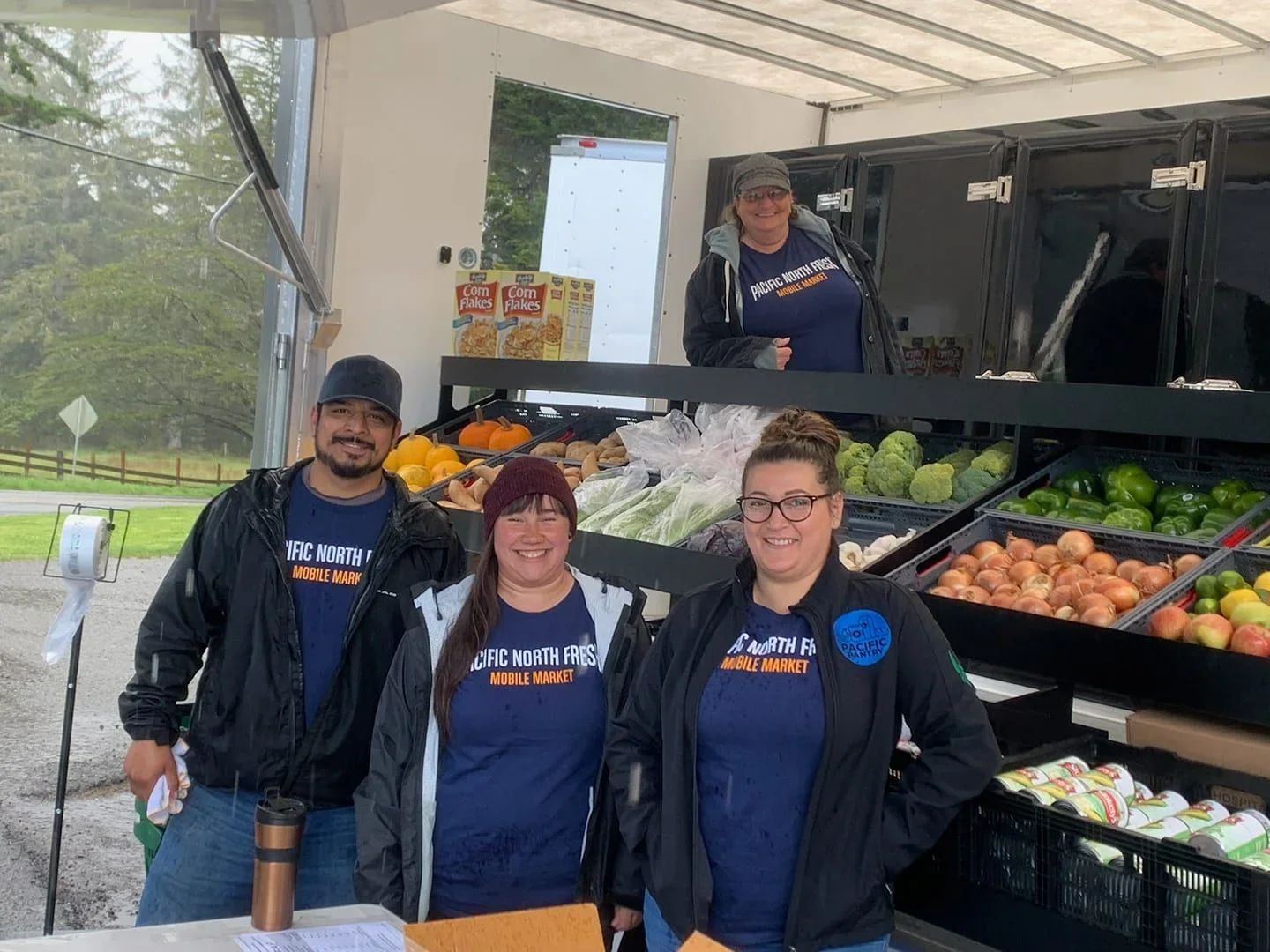
Individual farmers rarely have the scale or capital to operate mobile markets alone. But farmer cooperatives, pooling resources, products, and logistics, can make the model work. A mobile market offers cooperatives a direct-to-consumer channel that captures retail margins and builds customer relationships.
Why Cooperatives Can Do What Individual Farms Can't
The mobile market economics that challenge single farms work differently at cooperative scale.
Capital pooling makes vehicle acquisition feasible. A $150,000 refrigerated food truck is prohibitive for most individual farms. Split across ten farm members, it's $15,000 each. Still significant but potentially manageable.
Product diversity attracts customers. A single farm might grow tomatoes and peppers. A cooperative can offer tomatoes, peppers, greens, root vegetables, eggs, dairy, bread, and more. The variety makes the market a destination for weekly shopping, not just a single-product stand.
Labor sharing reduces individual burden. Operating a mobile market takes consistent staffing. Rotating responsibility among cooperative members distributes the time commitment.
Risk distribution protects against crop failures. If one farm has a bad season, others can fill the gap. The market maintains consistency even when individual farms can't.
Cooperative Structures for Mobile Markets
Several cooperative approaches can support mobile market operations.
Shared ownership with rotating labor: The cooperative owns the vehicle and equipment. Members take turns staffing the market according to a rotation schedule. Revenue is distributed based on a formula: equal shares, proportional to product supplied, or hybrid.
Hired management with member supply: The cooperative owns the vehicle and hires a market manager. Members supply product to the market at agreed prices. The market operates somewhat independently, buying from member farms.
Service cooperative model: The cooperative provides the market service to members, who pay fees or commissions. Individual farms remain the product sellers. The cooperative provides logistics and sales infrastructure.
The right structure depends on member preferences, product types, geographic distribution, and existing cooperative governance.
Operational Considerations
Cooperative mobile markets face specific operational challenges.
Product coordination: Who supplies what, and when? Avoiding duplicative products while ensuring variety requires planning. Some cooperatives use weekly supply commitments. Others coordinate more loosely.
Quality consistency: The market's reputation depends on consistent quality regardless of which farm supplies a given product. Cooperatives need quality standards and accountability mechanisms.
Pricing alignment: Members may have different production costs and pricing expectations. Agreeing on market prices that work for all members, and make sense to customers, requires negotiation.
Labor equity: If some members participate more than others in market operations, how is that reflected in compensation or revenue sharing? Clear agreements prevent resentment.
Decision-making: Who decides stop locations, product selection, pricing changes, or expansion plans? Cooperative governance must extend to mobile market operations.
Financial Models
Revenue and cost sharing can work several ways.
Consignment: Farms supply product, receive payment based on what sells. The cooperative takes a percentage for overhead. Farms bear inventory risk for unsold product.
Wholesale purchase: The cooperative buys product from farms at agreed prices, then sells at retail. The cooperative bears inventory risk but captures margin.
Hybrid: Base products are bought wholesale. Specialty or variable items are consignment. This balances risk and flexibility.
Cost sharing might be equal among members, proportional to product supplied, proportional to sales revenue, or some combination. What matters is that it's agreed and perceived as fair.
Making It Work
Successful cooperative mobile markets share certain characteristics.
Strong cooperative culture: Members trust each other, communicate openly, and commit to collective success. Weak cooperative relationships produce weak mobile markets.
Clear agreements: Expectations about supply, labor, costs, revenue, and governance are documented and followed. Ambiguity creates conflict.
Customer focus: The market exists to serve customers, not just to provide an outlet for member products. Product selection, quality, and service prioritize customer needs.
Patience: Building a mobile market customer base takes time. Cooperatives that expect immediate returns often give up too soon.
Alternatives to Full Cooperative Ownership
If full cooperative ownership feels too complex, lighter arrangements exist.
Partnering with existing mobile market operators: Supply product to a mobile market run by someone else. You capture some benefit without operational burden.
Shared booth at farmers markets: Pool resources for farmers market presence, sharing vehicle and booth costs. Not a mobile market, but a step toward cooperative direct sales.
Aggregation for wholesale: Pool product for wholesale distribution. A step that builds cooperative muscles without retail complexity.
For more on commercial mobile market models, see: The Mobile Grocery Store Model.
